Choosing between an FRP scrubber vs stainless steel scrubber is an important decision when designing an industrial air pollution control system. Both materials can be used to manufacture equipment that removes harmful gases, chemical fumes, and airborne pollutants from industrial exhaust streams.
However, they differ in corrosion resistance, temperature tolerance, structural properties, installation requirements, and maintenance costs. Understanding these differences helps engineers and facility operators select suitable scrubber materials for their operating conditions.
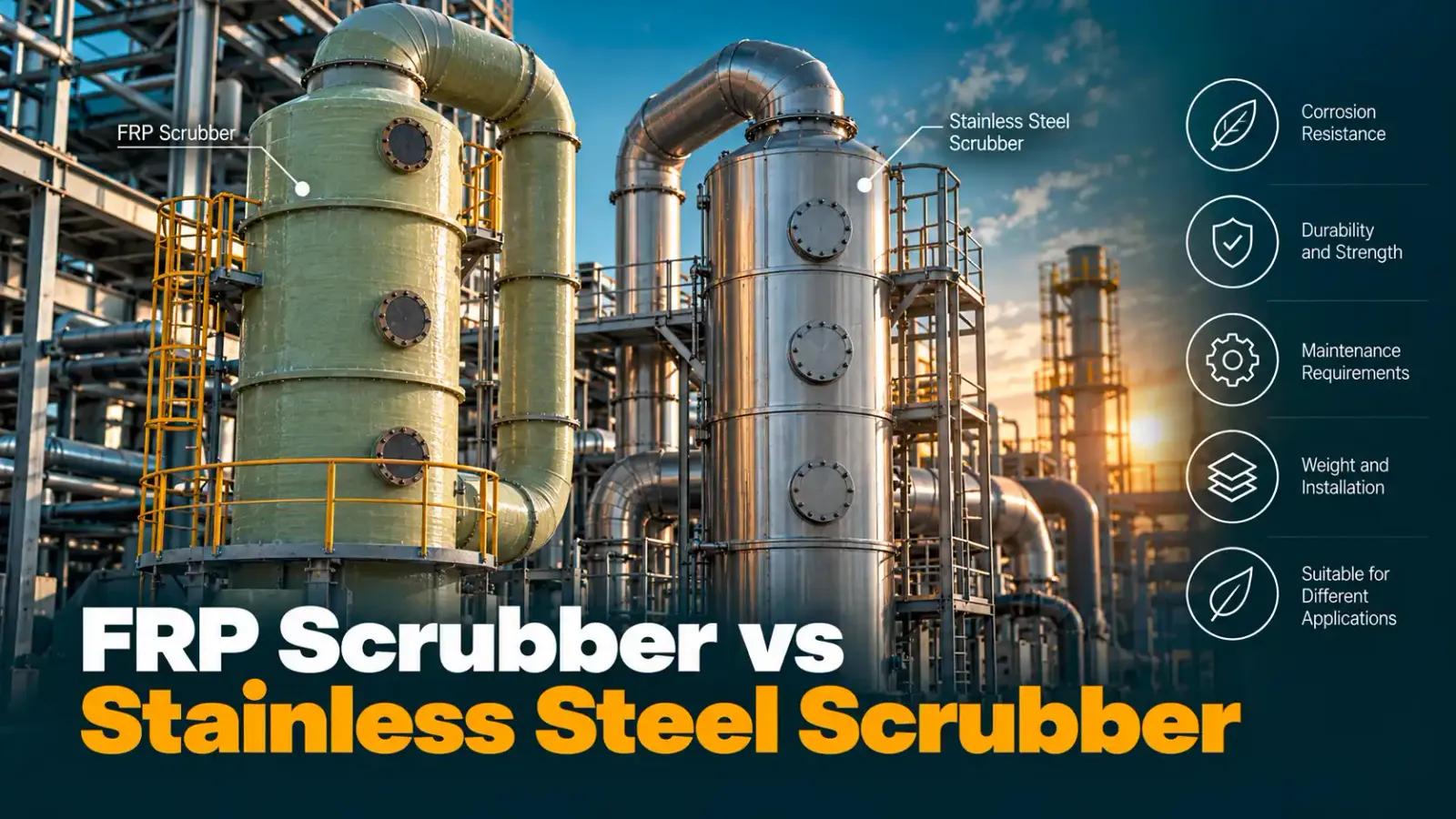
An FRP (Fiberglass Reinforced Plastic) scrubber is an industrial air pollution control unit manufactured using fiberglass reinforcement and polymer resin. The fiberglass provides structural strength, while the resin system creates a protective barrier against chemical corrosion. This construction makes FRP suitable for many wet scrubbing applications involving corrosive gases and chemical vapors.
FRP scrubbers are commonly used in chemical manufacturing, electroplating, wastewater treatment, and fertilizer production facilities. GAJA provides customizable Scrubber Air Pollutant Systems using corrosion resistant materials such as FRP, PP, PVC, and PVDF for various industrial applications.
A stainless steel scrubber is an air pollution control system manufactured using stainless steel alloys, commonly grades 304 or 316. These materials offer mechanical strength, heat resistance, and corrosion protection in compatible operating environments.
Stainless steel scrubbers are often considered for industrial processes involving elevated temperatures or demanding mechanical conditions. However, stainless steel is not completely immune to corrosion. Its performance depends on the alloy grade, chemical exposure, operating temperature, and surrounding environment.
Although both materials can support industrial exhaust gas treatment, their characteristics affect system design and long term operating performance.
Corrosion resistance is one of the most important factors when comparing FRP and stainless steel scrubbers. FRP scrubbers can provide strong chemical resistance when manufactured using an appropriate resin formulation. Vinyl ester and other specialized resins are commonly considered for applications involving corrosive gases and chemical solutions.
Stainless steel also offers corrosion resistance, but certain chemicals, particularly chloride containing solutions, may cause pitting or localized corrosion. Neither material is compatible with every chemical. Engineers should evaluate gas composition, liquid chemistry, and operating conditions before making a selection.
Operating temperature significantly influences scrubber material selection. Stainless steel generally tolerates higher temperatures than conventional FRP systems, making it useful for some high temperature exhaust applications.
FRP scrubbers have temperature limitations determined by their resin formulation, laminate construction, and chemical exposure. For processes involving hot exhaust gases, cooling or gas quenching equipment may be necessary before the gas enters an FRP scrubber. The final operating temperature limit should always follow manufacturer specifications.
FRP scrubbers are generally lighter than comparable stainless steel equipment. Their relatively lightweight construction can simplify transportation, lifting, and installation, particularly for large industrial scrubber towers.
Stainless steel scrubbers are heavier and may require additional lifting equipment or structural support. However, installation requirements also depend on scrubber dimensions, foundation design, connected ductwork, and site accessibility.
Stainless steel offers high mechanical strength and ductility. These characteristics can be advantageous in applications involving mechanical impacts, vibration, or demanding structural loads.
FRP provides good strength relative to its weight, although its mechanical behavior differs from metal. Fiberglass composite equipment must be designed to accommodate pressure loads, vibration, thermal expansion, and external forces. Both materials can provide reliable performance when properly engineered for the intended application.
FRP scrubbers do not experience metallic rust, which can reduce certain corrosion related maintenance requirements. However, operators should regularly inspect the fiberglass surface for cracking, blistering, delamination, or mechanical damage.
Stainless steel scrubbers also require inspections, particularly around welds, joints, and areas exposed to aggressive chemicals. For facilities requiring additional corrosion protection on steel or concrete structures, GAJA also offers Dura Coat® FRP Lining.
The cost of FRP and stainless steel scrubbers depends on equipment dimensions, material specifications, fabrication methods, and installation requirements. FRP may provide a cost advantage for large corrosion resistant scrubber systems where specialized metallic alloys would otherwise be required.
Stainless steel may offer better value in applications where higher temperature tolerance or specific mechanical properties are essential. Instead of comparing equipment prices alone, facility owners should consider maintenance expenses, energy consumption, installation, and expected service life.
The choice depends on the characteristics of the industrial exhaust stream. FRP scrubbers are often suitable for chemical processing, wastewater treatment, electroplating, and other facilities handling corrosive fumes at compatible operating temperatures.
Stainless steel scrubbers may be preferable where high temperature resistance, structural demands, or specific process conditions favor metallic construction. Material selection should also consider connected ventilation equipment. For example, GAJA supplied FRP piping and ducting for the Bondi Sewage Treatment Plant ventilation project in Australia, demonstrating the use of composite materials in industrial ventilation systems.
Before selecting a scrubber, engineers should evaluate pollutant concentration, airflow requirements, chemical compatibility, temperature, and maintenance accessibility.
Selecting suitable scrubber materials helps industrial facilities maintain reliable emission control equipment while reducing corrosion related maintenance risks. GAJA provides customizable FRP Scrubber Air Pollutant Systems, supported by design planning, manufacturing, installation, and technical assistance.
For industrial facilities considering corrosion resistant air pollution control equipment, contact GAJA to explore scrubber solutions tailored to your project requirements.
Yes. FRP scrubbers can be installed outdoors when designed for environmental exposure. UV resistant coatings, suitable structural supports, and appropriate weather protection may be required.
Yes. Some industrial scrubber systems incorporate both materials. For example, selected metallic components may be used alongside FRP vessels, depending on chemical compatibility and operating requirements.
Material selection primarily affects durability and compatibility rather than directly determining removal efficiency. Scrubber performance depends on factors such as gas liquid contact, airflow, pollutant characteristics, and operating conditions.
Yes, replacement may be possible after an engineering assessment. The new system must meet the existing process requirements, including temperature, airflow capacity, chemical resistance, and structural design.
13 Oct 2026
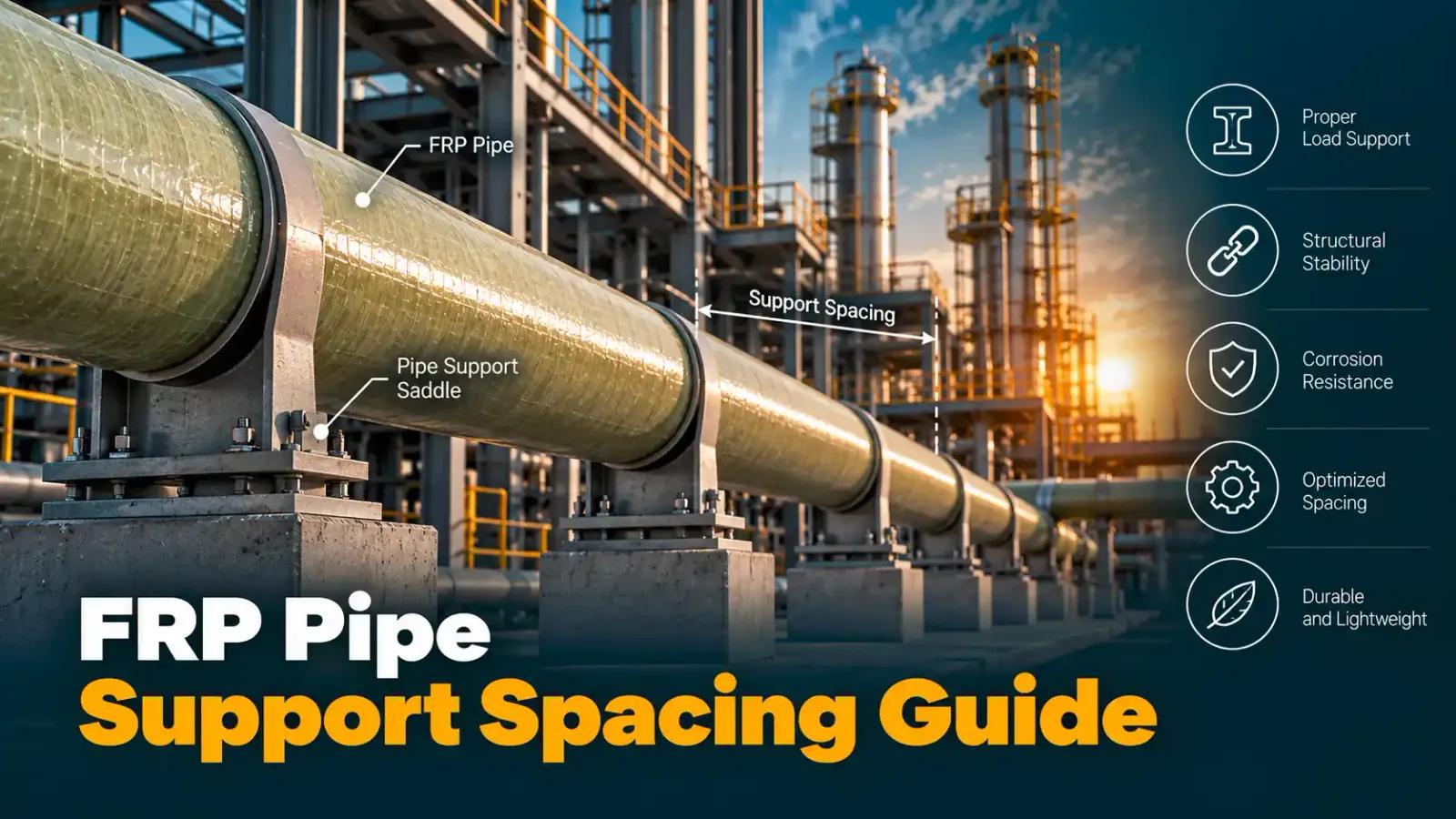
Learn about FRP pipe support spacing, recommended distances, key design factors, installation practices, and how to prevent pipe sagging.
Read More →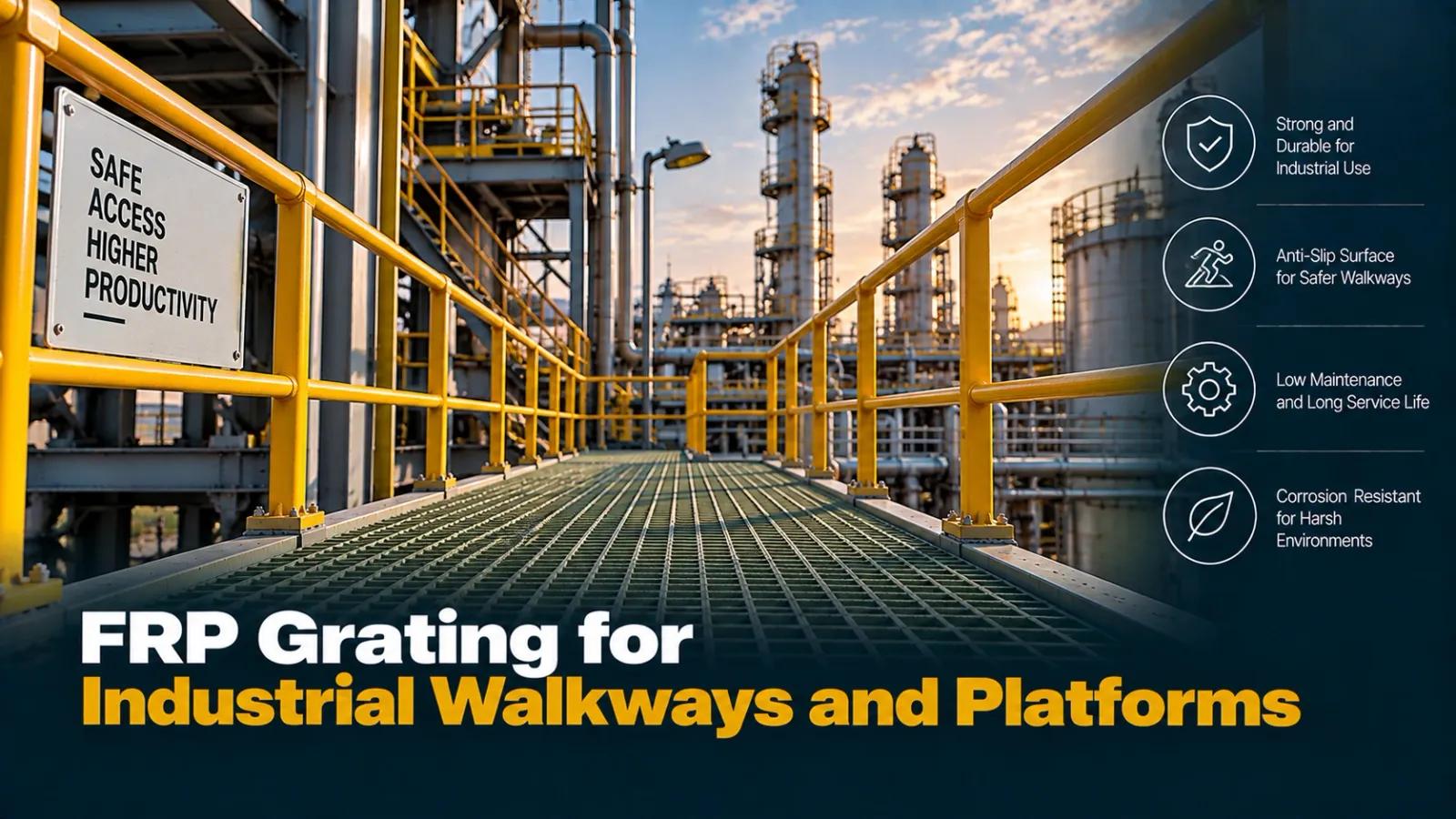
30 Sept 2026
Learn how to select FRP grating for industrial walkways and platforms, including load capacity, support span, corrosion resistance, slip resistance, resin, and key design factors.
Read More →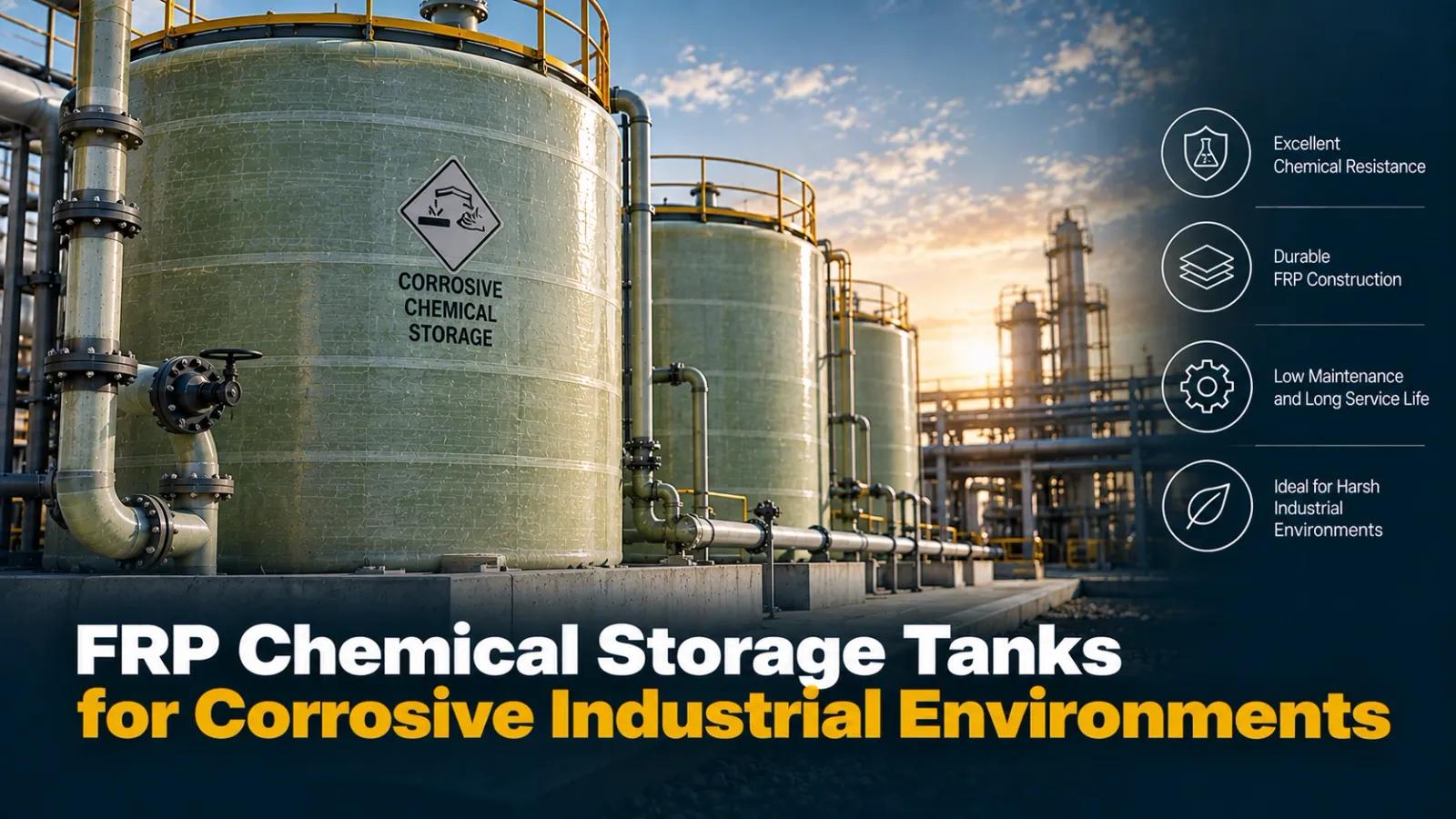
30 Sept 2026
FRP chemical storage tanks offer corrosion-resistant solutions for industrial environments handling acids, alkalis, and aggressive chemicals.
Read More →