FRP roofing vs metal roofing is an important comparison when selecting roofing materials for factories, warehouses, and industrial buildings. Both materials offer durability and structural protection, but they perform differently when exposed to chemicals, moisture, sunlight, and changing weather conditions.
Understanding their advantages and limitations can help building owners choose a roofing system that meets operational requirements while considering installation, maintenance, and long term costs.
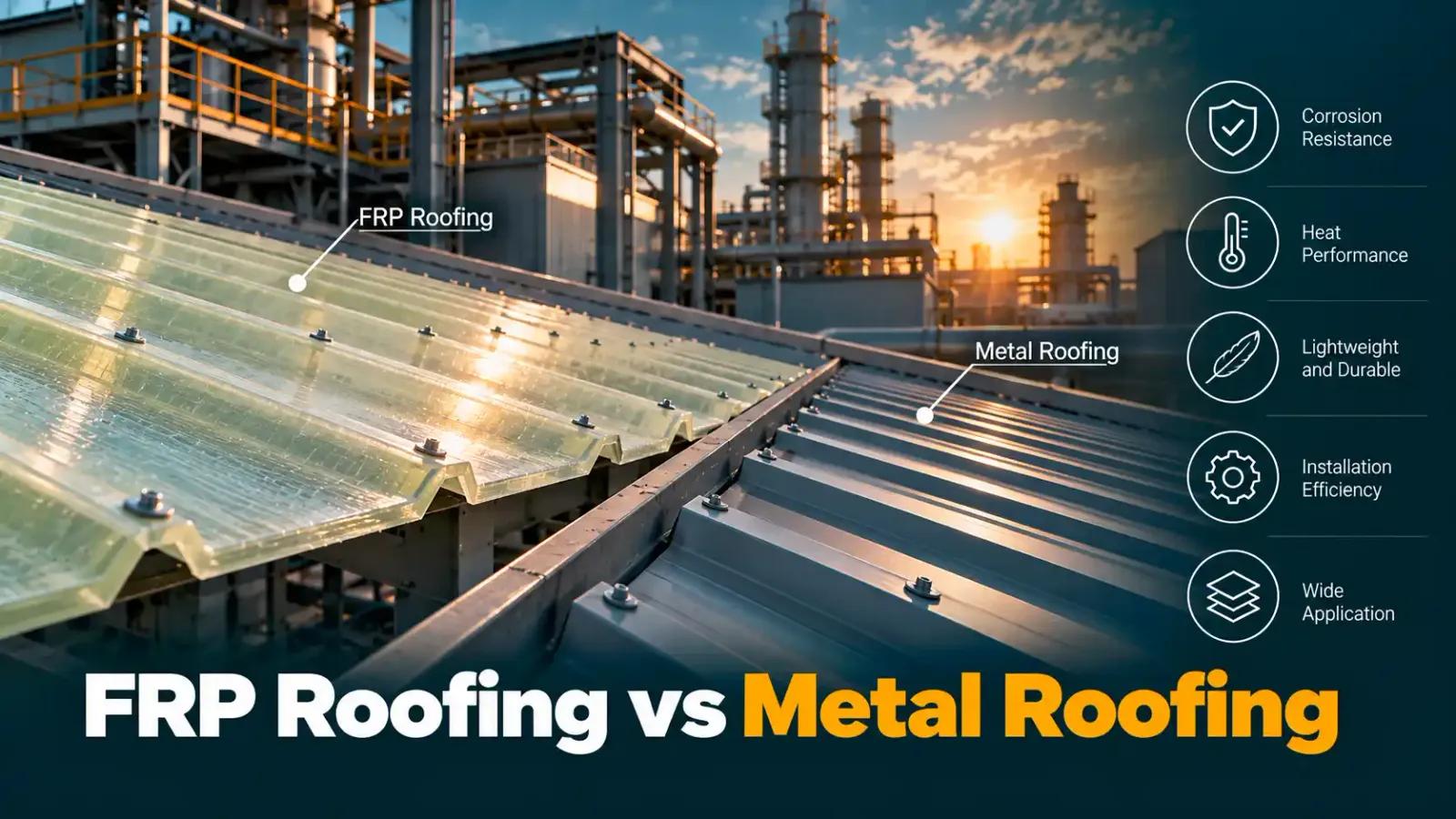
FRP (Fiberglass Reinforced Plastic) roofing is a composite roofing material made from fiberglass reinforcement and polymer resin. The fiberglass provides mechanical strength, while the resin contributes corrosion resistance and weather protection.
FRP roofing sheets are commonly used in industrial buildings, chemical processing plants, warehouses, and facilities exposed to corrosive environments. GAJA manufactures Composite Alum® GFRP Roof, featuring chemical resistant resin and a UV protective PE film coating designed for industrial roofing applications.
Metal roofing is manufactured from materials such as galvanized steel, aluminum, or coated steel sheets. It is widely used in commercial and industrial construction because of its structural strength, availability, and relatively straightforward installation.
Metal roofing systems are available in different profiles, thicknesses, and protective finishes. Their performance depends on the metal type, coating quality, installation method, and environmental exposure.
When comparing fiberglass roofing and metal roofing, several factors influence their suitability for industrial applications.
Corrosion resistance is one of the main advantages of FRP roofing. Unlike conventional steel roofing, FRP does not rust when exposed to moisture. Properly formulated resin systems can also resist certain chemicals, making fiberglass roofing suitable for industrial facilities exposed to corrosive fumes.
Metal roofing relies on its material composition and protective coatings to resist corrosion. Galvanized steel, for example, uses a zinc layer to protect the underlying metal. However, prolonged chemical exposure or damaged coatings may eventually lead to corrosion. For chemical processing environments, FRP roofing can be a practical alternative when its resin system is compatible with the operating conditions.
FRP roofing sheets are generally lightweight, making them convenient for transportation, handling, and installation. Their composite structure provides strength without the weight associated with some conventional construction materials.
Metal roofing can also be lightweight, particularly when manufactured from thin steel or aluminum sheets. Installation requirements depend on roof dimensions, panel profiles, fastening systems, and structural design. Both materials require proper support spacing and installation procedures to maintain reliable performance.
Roofing materials influence indoor temperatures, especially in factories and warehouses exposed to direct sunlight. Metal roofing conducts heat efficiently, but reflective coatings and insulation can significantly improve its thermal performance.
FRP generally has lower thermal conductivity than metal, although actual heat transfer depends on panel composition, thickness, color, and roofing system design. Some FRP roofing products also incorporate protective coatings that improve weather resistance. For industrial buildings, engineers should evaluate insulation requirements and overall roof assembly performance rather than relying on material type alone.
Both FRP and metal roofing can provide long term protection when manufactured and installed correctly. FRP roofing resists metallic corrosion, but its resin and surface protection must withstand prolonged ultraviolet exposure.
Without suitable UV protection, fiberglass composites may experience discoloration, surface degradation, or exposed fibers over time. Metal roofing provides good mechanical durability but may develop corrosion around damaged coatings, fasteners, or exposed edges. Regular inspections help maintain the condition of both roofing systems.
FRP roofing generally requires less attention to rust related problems because it contains no metallic structural sheet. However, maintenance teams should inspect panels for cracks, surface damage, loose fasteners, and deteriorating seals.
Metal roofing also requires routine inspection, particularly around joints, screws, and areas where protective coatings have been damaged. Industrial facilities exposed to aggressive chemicals may need additional maintenance to prevent corrosion related deterioration. Proper roof drainage is equally important. GAJA also provides Dura LITE® FRP Gutter for industrial buildings requiring corrosion resistant rainwater drainage solutions.
The initial cost of FRP roofing and metal roofing varies depending on material specifications, panel thickness, coating requirements, and project size. Metal roofing may offer a competitive upfront cost for conventional warehouses and commercial buildings.
FRP roofing may provide long term value in corrosive industrial environments by reducing certain coating and rust related maintenance requirements. However, overall costs should include installation, inspection, repairs, and expected service life.
The better choice depends on the building's operating environment and engineering requirements. FRP roofing is worth considering for chemical plants, fertilizer factories, coastal facilities, and other locations where corrosion resistance is important.
Metal roofing remains a practical option for buildings requiring established metal construction systems, specific fire performance, or particular structural characteristics. For example, GAJA supplied GFRP roofing and skylight solutions for the Ammonia Urea II Plant project in Gresik, Indonesia. The project demonstrates the application of fiberglass composite roofing in an industrial fertilizer production environment.
Choosing suitable roofing materials helps industrial facilities maintain reliable building protection while managing corrosion risks and maintenance requirements. GAJA provides customizable Composite Alum® GFRP Roofing, supported by design planning, manufacturing, and installation services for industrial buildings. For factories, warehouses, and other facilities considering corrosion resistant roofing, contact GAJA to explore suitable FRP roofing solutions for your project.
Yes. FRP roofing can be suitable for coastal environments because it does not experience metallic rust. However, UV resistance, fastener materials, and installation conditions must still be considered.
Fire performance depends on the resin formulation and any fire retardant additives. FRP roofing is not automatically noncombustible, so the required fire classification should be verified against building regulations.
Yes. Translucent FRP roofing panels can allow daylight into industrial buildings, reducing dependence on artificial lighting during daylight hours. Light transmission varies by product. GAJA offers Dura LITE® GFRP Roof and Cladding for industrial roofing and skylight applications.
Yes, replacement may be possible after evaluating the roof structure, panel dimensions, fastening systems, support spacing, and applicable building requirements.
10 Aug 2026
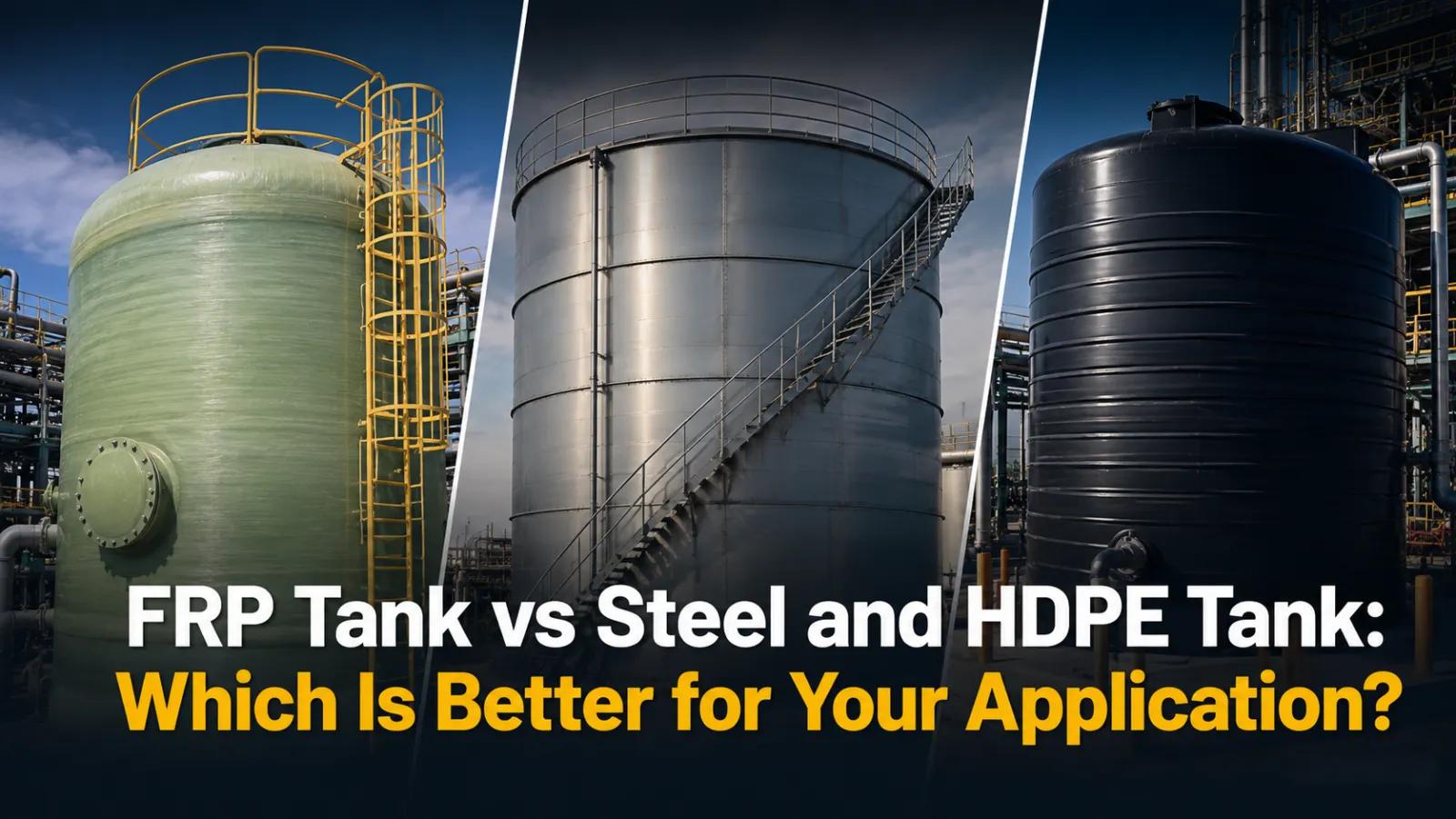
Compare FRP, steel, and HDPE tanks based on corrosion resistance, strength, temperature, maintenance, cost, and industrial applications.
Read More →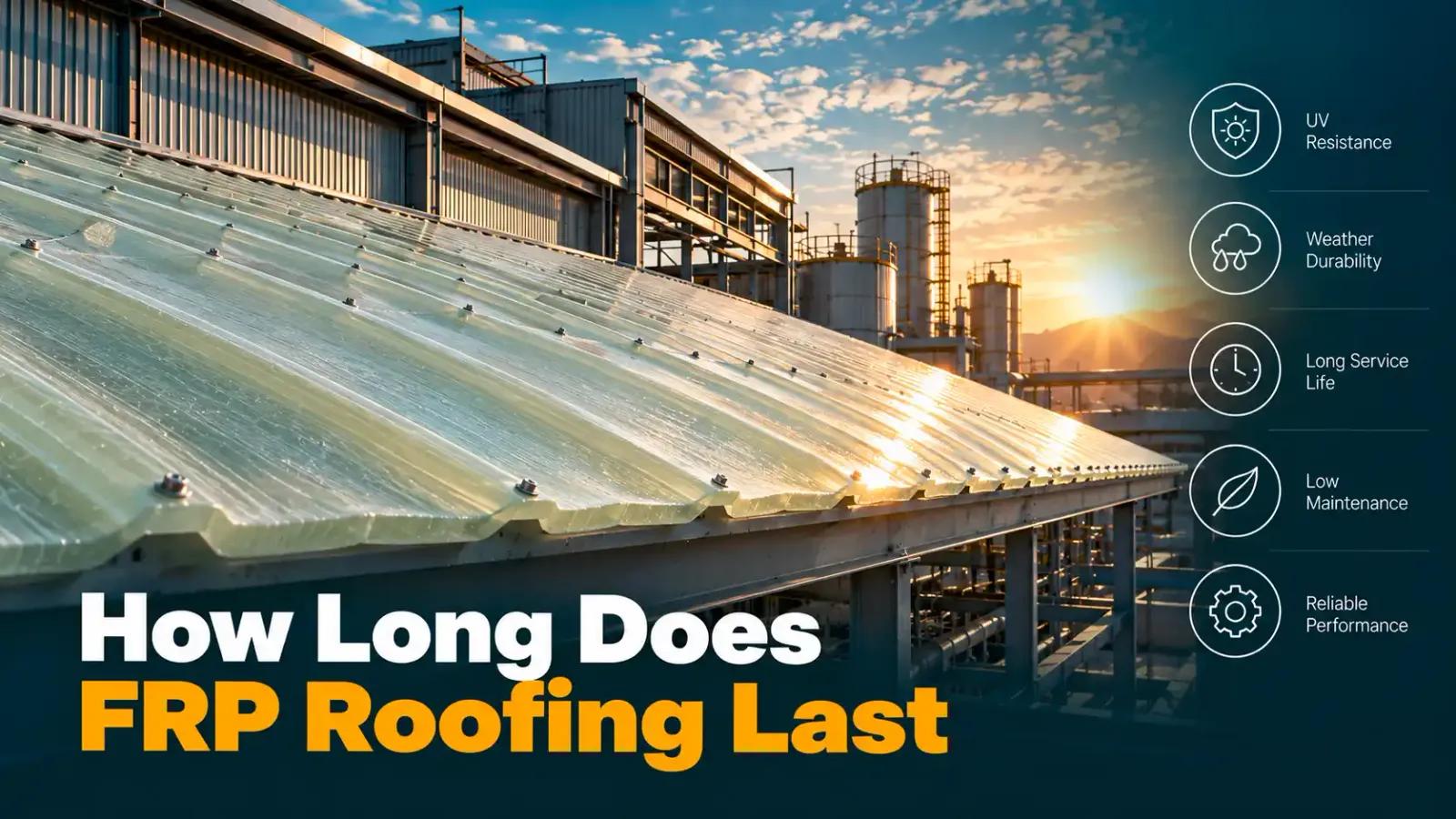
13 Oct 2026
How long does FRP roofing last? Learn its average lifespan, durability factors, warning signs, and maintenance tips for industrial roofing.
Read More →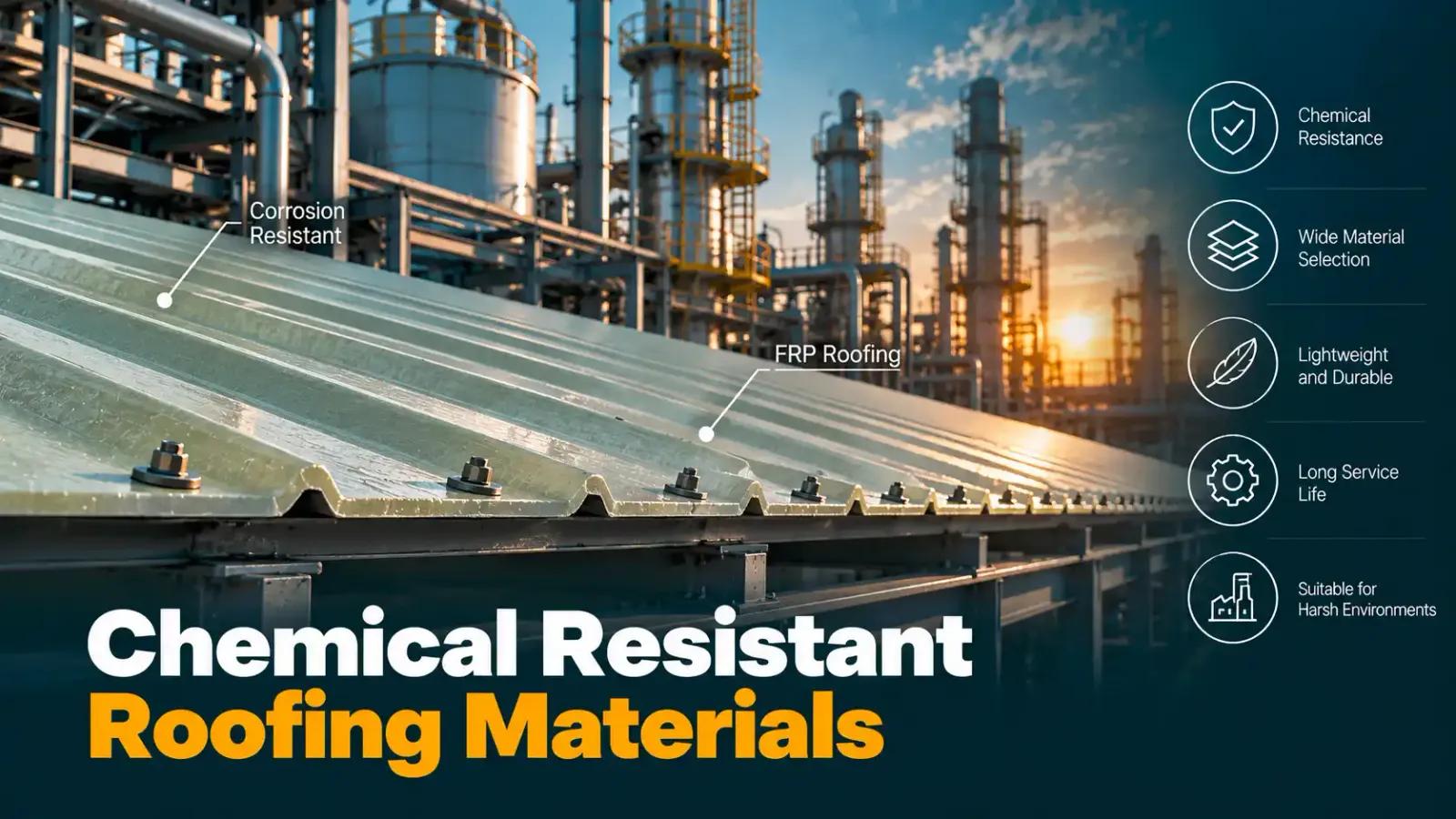
13 Oct 2026
Explore 5 chemical resistant roofing materials for factories and industrial buildings, including FRP, PVC, stainless steel, coated metal, and aluminum.
Read More →