FRP pipe vs HDPE pipe is a common comparison when choosing piping materials for industrial facilities, water treatment plants, and chemical processing systems. Both materials offer corrosion resistance and long term durability, making them alternatives to traditional steel pipes.
However, FRP and HDPE have different characteristics that affect their performance, installation, and maintenance requirements. Understanding these differences can help engineers and project owners select the right piping material based on operating conditions, environmental exposure, and project budgets.
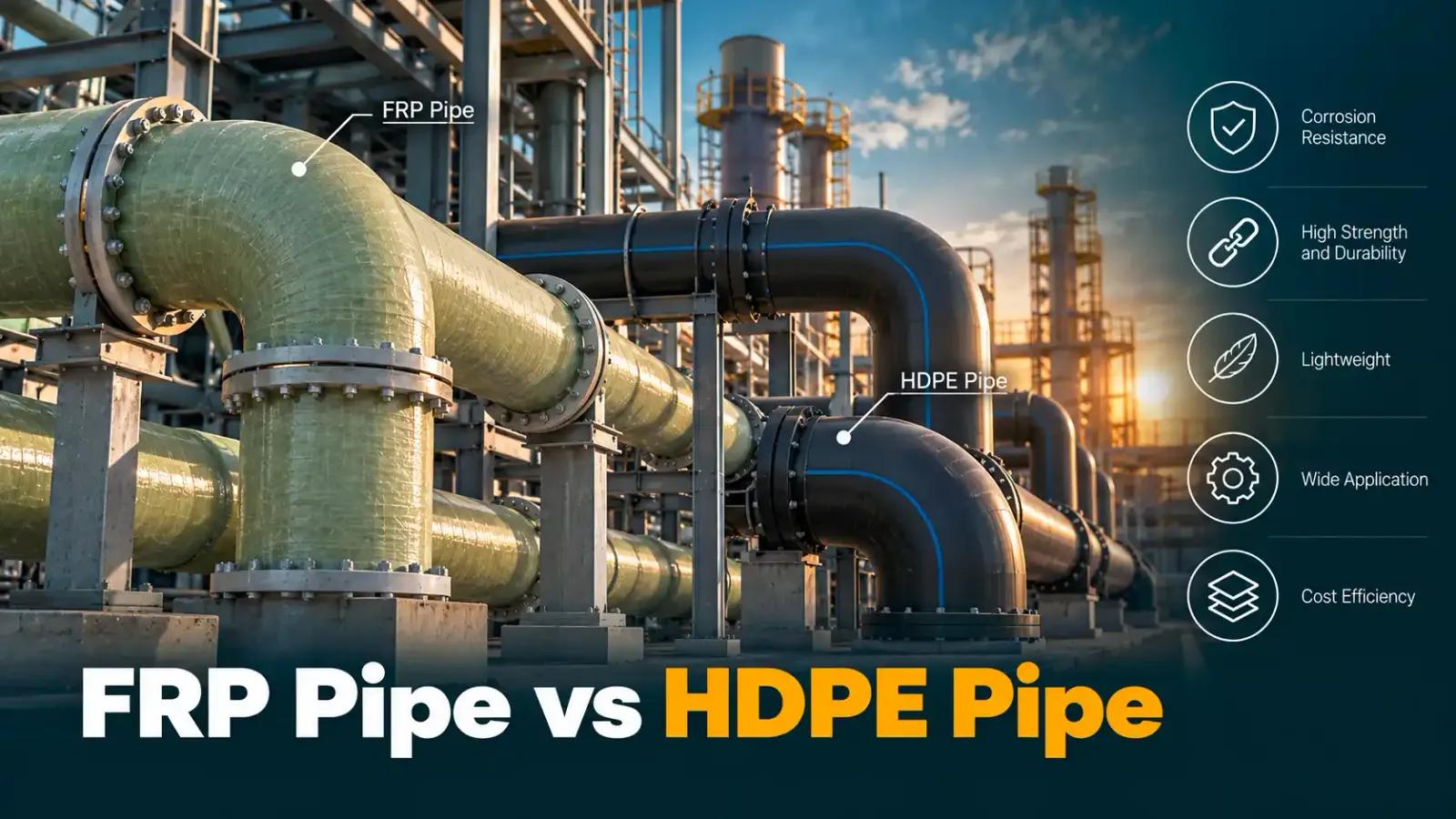
FRP (Fiberglass Reinforced Plastic) pipe is a composite piping material manufactured using fiberglass reinforcement and polymer resin. The fiberglass provides structural strength, while the resin helps protect the pipe against chemicals and corrosion.
FRP pipes are widely used in industrial applications involving chemical transportation, wastewater treatment, and corrosive environments. Their lightweight construction and customizable specifications make them suitable for various engineering requirements.
Manufacturers such as GAJA produce FRP Pipe & Fittings designed for industrial applications, with customizable dimensions, pressure classes, and stiffness requirements.
HDPE (High Density Polyethylene) pipe is manufactured from a thermoplastic polymer known for its flexibility, toughness, and resistance to many chemicals.
Unlike FRP pipes, which contain fiberglass reinforcement, HDPE pipes have a more flexible structure. This allows them to accommodate certain ground movements and installation conditions.
HDPE piping systems are commonly used for drinking water distribution, drainage, irrigation, and wastewater transportation. They are also suitable for selected industrial applications where their chemical and temperature limitations are acceptable.
When comparing FRP pipe vs HDPE pipe, several factors determine which material is more suitable for a particular application. Here are six key differences to consider before selecting a piping system for industrial use.
One of the main differences between FRP and HDPE pipes is their structural stiffness. FRP pipes use fiberglass reinforcement to achieve relatively high strength and stiffness. These characteristics make them useful in large diameter industrial piping systems where structural stability is important.
HDPE pipes are generally more flexible, allowing them to tolerate some movement without cracking. This flexibility can be beneficial for underground pipelines installed in areas with shifting soil conditions. However, both materials must be selected according to the required pressure rating, external loads, and installation specifications.
Both FRP and HDPE pipes offer excellent alternatives to metallic pipes in environments where corrosion is a concern. FRP chemical resistance depends on the resin formulation used during manufacturing. Certain resin systems can withstand exposure to aggressive chemicals, making FRP suitable for chemical processing plants and industrial wastewater facilities.
HDPE also provides good chemical resistance against many acids, alkalis, and aqueous solutions. However, some solvents and elevated temperatures may affect its performance. Therefore, chemical compatibility should always be evaluated before choosing a piping material.
Operating temperature is another important consideration when comparing FRP pipe vs HDPE pipe. FRP piping systems can be engineered to handle different pressure and temperature requirements depending on their resin systems, wall construction, and reinforcement design.
HDPE pipes perform well in many water distribution applications, but their allowable pressure typically decreases as operating temperatures increase. For industrial processes involving elevated temperatures, engineers should carefully review the material specifications and manufacturer's operating limits.
HDPE pipes are commonly connected through butt fusion or electrofusion welding. These methods create strong joints when performed correctly by qualified technicians.
Their flexibility also makes HDPE pipes suitable for certain underground installations and projects requiring changes in pipeline direction. FRP pipes typically use adhesive bonded joints, laminated connections, or mechanical couplings, depending on the piping design.
Although FRP is more rigid, its relatively lightweight structure can simplify transportation and handling compared with some traditional piping materials. One example of large diameter composite piping is GAJA's MRT Jakarta Phase 2 project, which involved engineering, fabrication, and installation support for GRP pipes.
Both piping materials can provide long service lives when properly designed, installed, and operated. FRP pipes offer corrosion resistance and dimensional stability, making them attractive for industrial environments with demanding operating conditions.
HDPE pipes are valued for their flexibility and resistance to many environmental factors. However, prolonged exposure to high temperatures or unsuitable chemicals can affect their performance. Routine inspections remain important for both materials, particularly at joints, supports, and areas exposed to mechanical stress.
The initial cost of FRP and HDPE pipes varies depending on diameter, pressure class, material specifications, and manufacturing requirements. HDPE may provide a cost advantage in projects where flexible installation and fusion welding simplify construction.
FRP can offer long term value for specialized industrial applications requiring engineered stiffness, chemical resistance, or large pipe diameters. Instead of comparing purchase prices alone, project owners should evaluate installation costs, maintenance requirements, and expected service life.
Neither material is automatically better for every project. FRP pipes are worth considering for chemical processing, industrial water treatment, and large diameter piping systems requiring customized engineering specifications.
HDPE pipes may be preferable for water distribution networks, underground pipelines, and applications where flexibility is particularly important.
FRP also has applications beyond liquid transportation. For example, GAJA supplied FRP piping and ducting for the Bondi Sewage Treatment Plant ventilation project in Australia.
Ultimately, the best choice depends on chemical exposure, pressure requirements, operating temperature, installation conditions, and total lifecycle cost.
For industrial projects requiring reliable and corrosion resistant piping solutions, GAJA offers high quality FRP Pipe & Fittings tailored to various industrial requirements. Contact GAJA to explore suitable FRP piping solutions for your project.
Yes, both FRP and HDPE pipes can be used for drinking water systems when manufactured with materials that meet applicable potable water safety standards. Certification and regulatory requirements should be verified before installation.
Both materials can be designed for outdoor use, but UV protection is important. FRP pipes may use UV resistant resin systems or protective coatings, while HDPE pipes commonly contain carbon black or other UV stabilizers to reduce sunlight related degradation.
Yes, repair methods depend on the type and extent of damage. FRP pipes may be repaired using approved composite laminates or mechanical repair systems. HDPE pipes can sometimes be repaired through fusion welding or by replacing damaged sections.
FRP and HDPE pipes are manufactured according to different industry standards. FRP piping may follow standards such as ASTM D2996 or ISO 14692, while HDPE piping may follow ISO 4427 or ASTM F714, depending on the application. The applicable standard should be confirmed during project design.
Both materials can contribute to sustainable infrastructure by providing corrosion resistance and reducing the need for frequent replacements. HDPE is thermoplastic and can be mechanically recycled through suitable facilities, while recycling thermoset FRP is generally more challenging. Their overall environmental impact depends on manufacturing, transportation, service life, and disposal methods.
13 Oct 2026
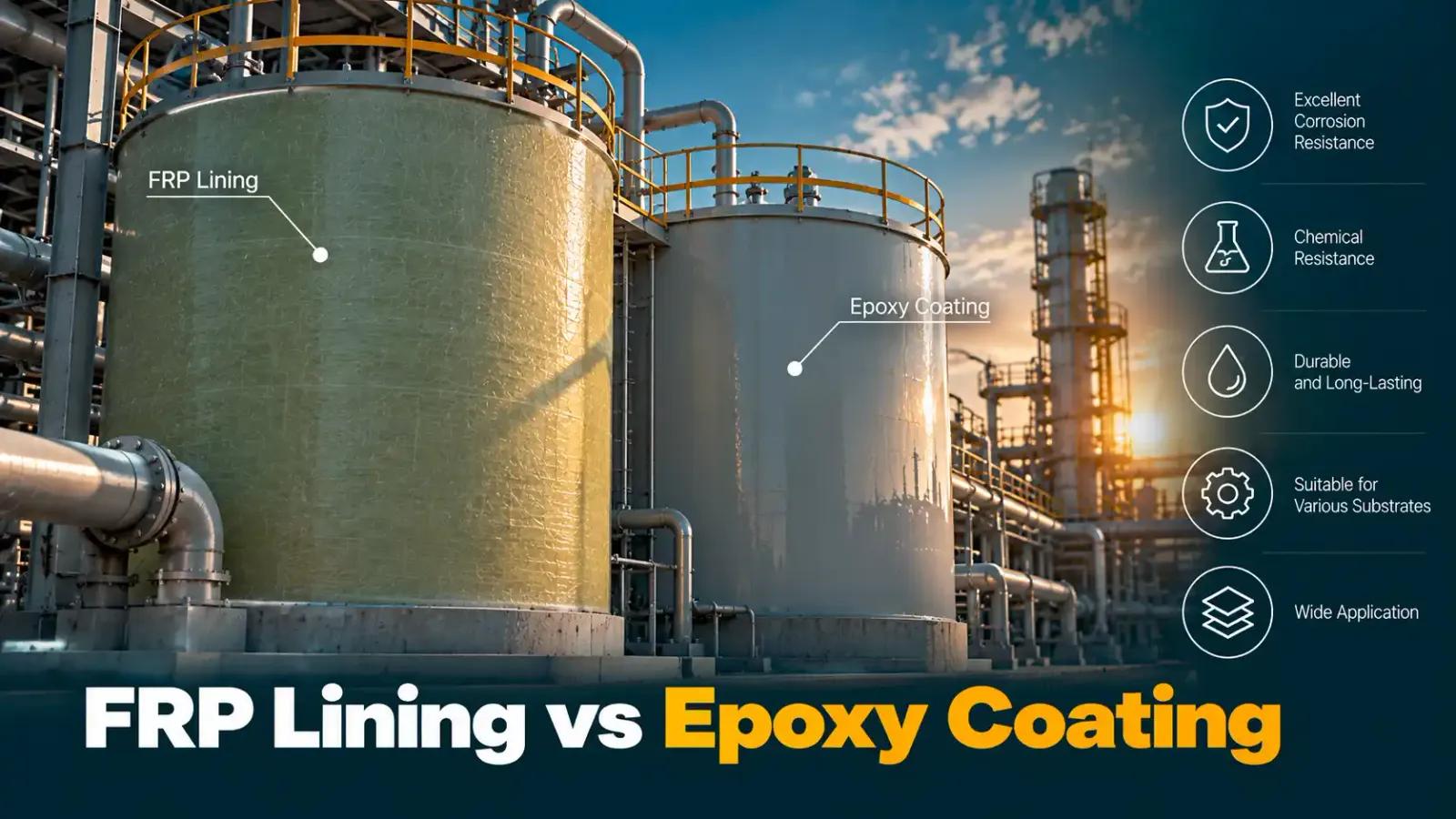
Compare FRP lining vs epoxy coating in chemical resistance, durability, thickness, installation, and cost for industrial applications.
Read More →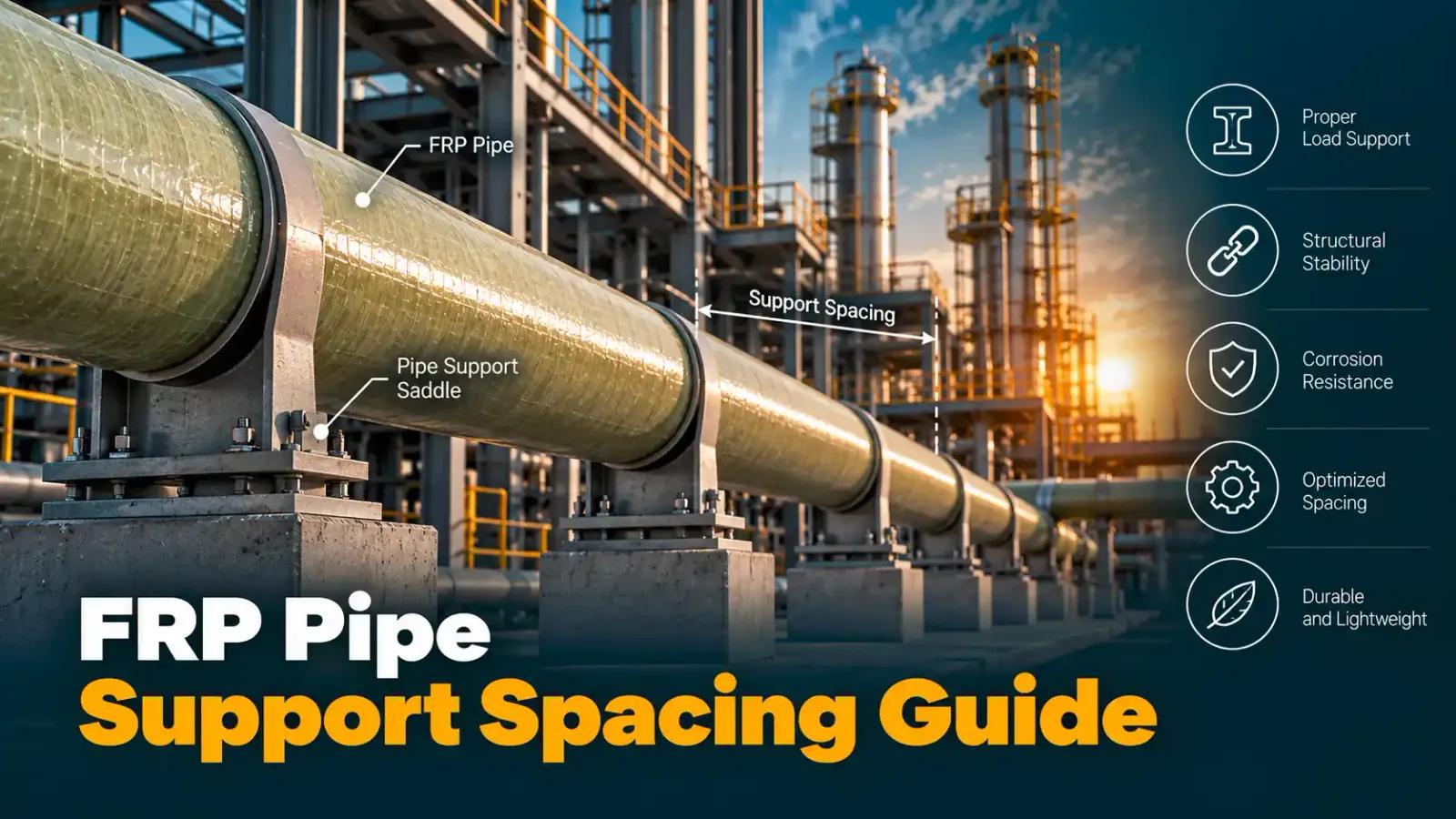
13 Oct 2026
Learn about FRP pipe support spacing, recommended distances, key design factors, installation practices, and how to prevent pipe sagging.
Read More →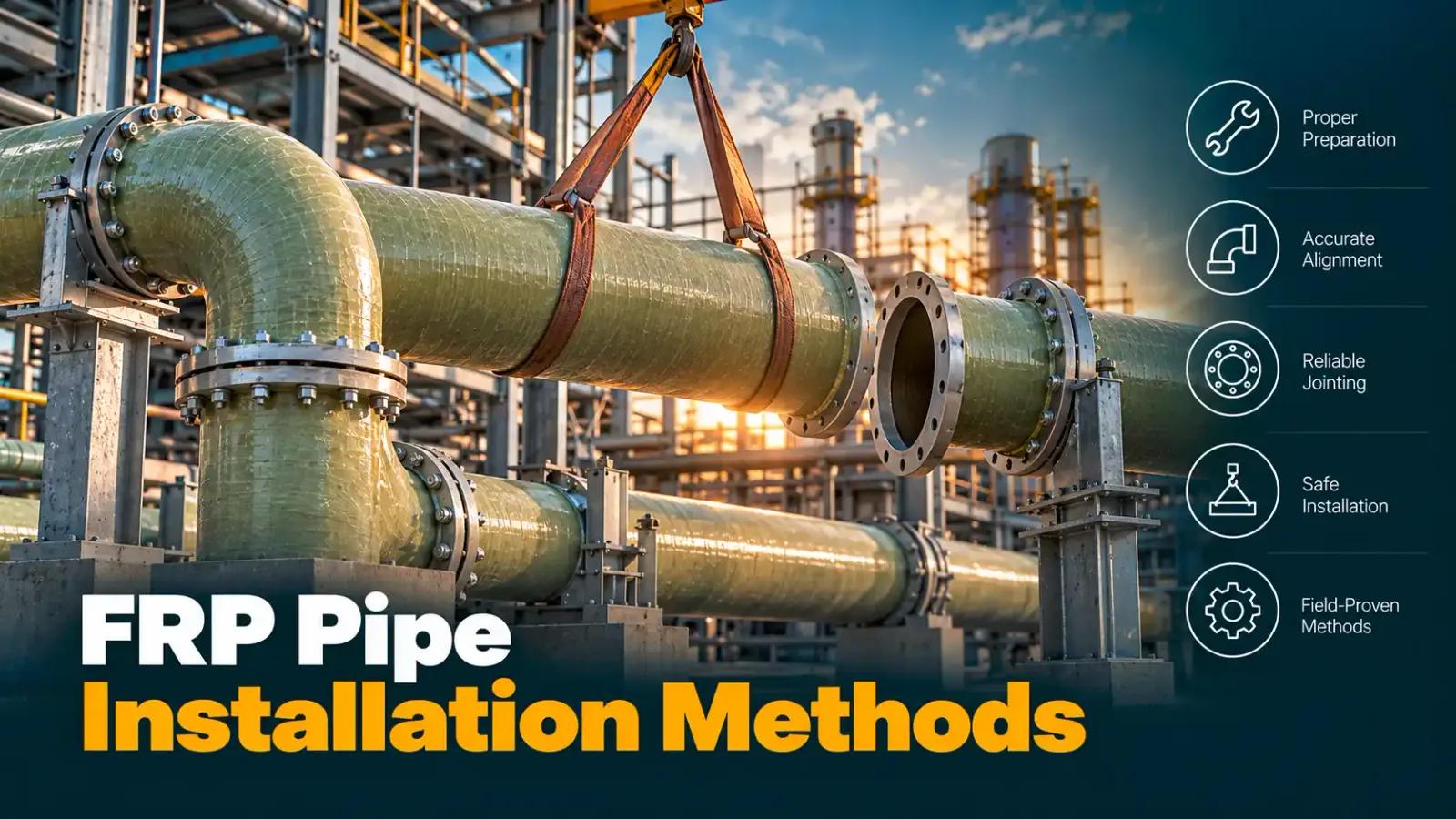
13 Oct 2026
Learn FRP pipe installation methods, including adhesive bonding, laminated joints, mechanical couplings, pipe supports, and pressure testing.
Read More →