FRP lining vs epoxy coating is an important comparison when choosing protective materials for industrial tanks, concrete structures, and steel surfaces. Both systems help prevent corrosion and chemical damage, but they differ in composition, mechanical strength, application methods, and long term performance.
Understanding these differences can help facility owners and engineers select suitable corrosion protection systems based on environmental conditions, chemical exposure, and maintenance requirements.
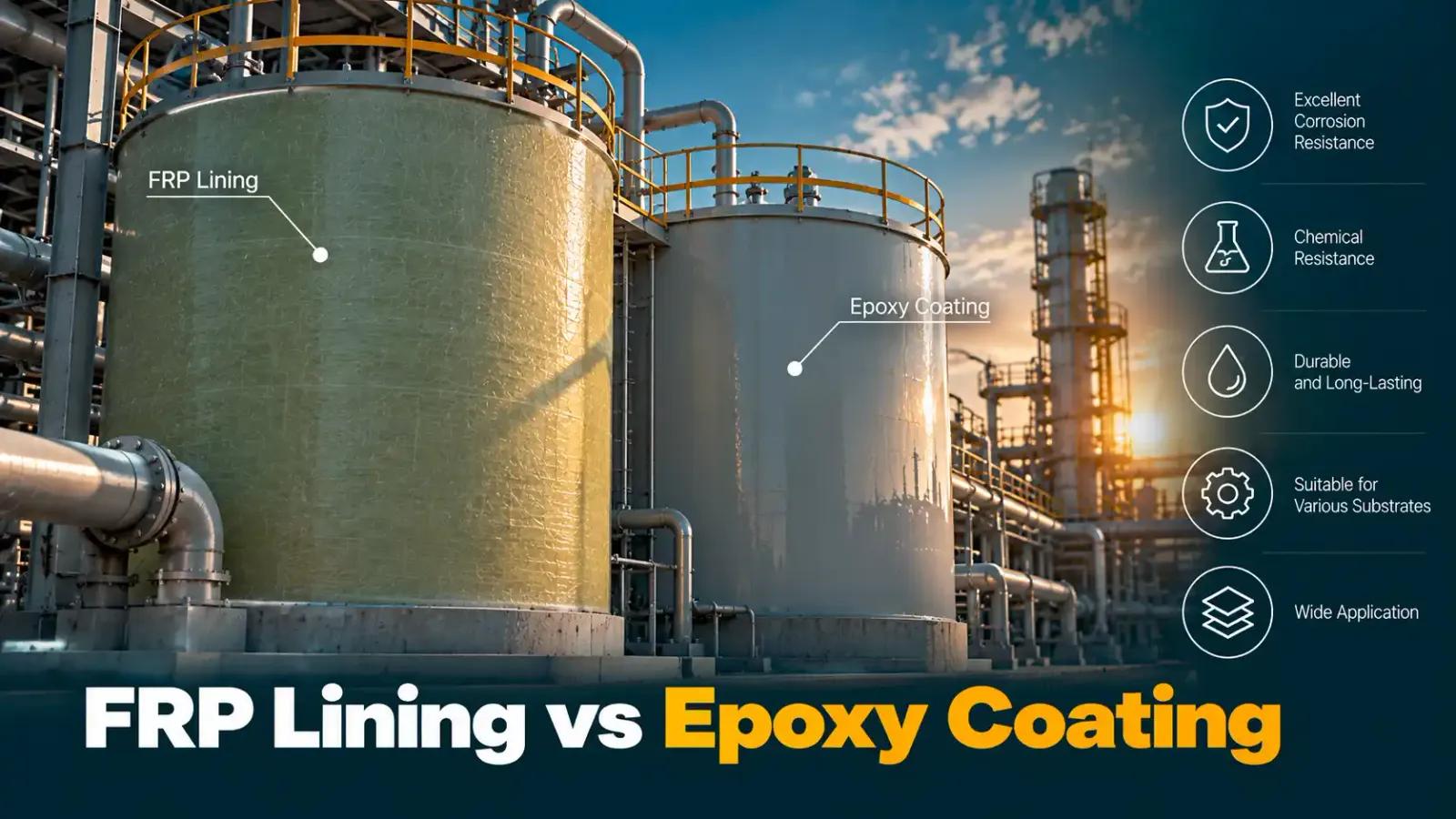
FRP (Fiberglass Reinforced Plastic) lining is a protective composite system made from fiberglass reinforcement combined with polymer resin. It creates a corrosion resistant barrier over surfaces such as steel and concrete.
Unlike conventional coatings, FRP lining incorporates fiberglass layers that provide additional mechanical strength and impact resistance. This makes it useful in chemical processing plants, wastewater treatment facilities, storage tanks, and industrial containment areas.
GAJA offers Dura Coat® FRP Lining, manufactured using polyester or vinyl ester resin with fiberglass reinforcement to protect industrial structures against chemical exposure and corrosion.
Epoxy coating is a protective surface treatment made from epoxy resin and a compatible curing agent. Once applied and cured, it creates a hard protective layer that helps prevent moisture penetration, corrosion, and surface deterioration.
Industrial epoxy coatings are commonly applied to concrete floors, steel structures, storage tanks, and equipment exposed to moisture or chemicals. These coatings are available in different formulations, including high build epoxy and chemical resistant epoxy systems. Their performance depends on the coating formulation, surface preparation, application thickness, and operating environment.
Although both materials provide industrial surface protection, several characteristics distinguish FRP lining from conventional epoxy coating systems.
The main difference lies in their construction. FRP lining combines fiberglass reinforcement with polymer resin, creating a layered composite barrier. The fiberglass contributes mechanical strength, while the selected resin provides chemical resistance.
Conventional epoxy coating generally consists of a resin based protective film without continuous fiberglass mat reinforcement. However, specialized glass reinforced epoxy systems are also available, making it important to compare actual product specifications.
Both FRP lining and epoxy coating can protect industrial surfaces against chemical exposure. FRP lining is frequently considered for environments involving aggressive chemicals, particularly when manufactured using compatible vinyl ester or polyester resin systems.
Epoxy coatings also provide chemical resistance, although performance varies significantly between standard epoxy and specialized formulations such as epoxy novolac. Neither material is universally resistant to every chemical. Selection must consider chemical concentration, operating temperature, and exposure duration.
FRP lining contains fiberglass reinforcement that improves its ability to withstand certain mechanical loads and impacts. This reinforced structure can provide additional protection in industrial environments where surfaces experience physical stress or abrasion.
Epoxy coatings primarily function as protective barriers. Conventional unreinforced systems generally provide less mechanical reinforcement than fiberglass laminates. However, FRP lining should not be treated as a substitute for repairing structural defects in damaged tanks or concrete foundations.
FRP lining is generally applied as a multilayer system consisting of resin and fiberglass reinforcement. Its thickness can be adjusted according to project specifications, chemical exposure, and mechanical requirements.
Conventional epoxy coatings are typically applied in thinner layers, although high build and specialized reinforced formulations can provide greater thickness. The required protective thickness should be determined through engineering evaluation rather than assuming that a thicker system is always better.
Epoxy coating usually involves surface preparation, primer application when required, and applying the coating using rollers, brushes, or spray equipment. FRP lining requires additional lamination steps. Fiberglass reinforcement is placed over the prepared substrate and saturated with compatible resin.
Proper curing, adhesion, and surface preparation are essential for both systems. FRP installation typically requires technicians experienced in composite lamination, especially when protecting complex industrial structures.
Epoxy coating may have a lower initial installation cost for straightforward surface protection projects. FRP lining generally requires more materials and specialized application work, which can increase upfront expenses.
However, properly designed FRP systems may provide long term value in demanding environments where reinforced corrosion protection is necessary. Maintenance costs for either option depend on chemical exposure, installation quality, operating conditions, and inspection frequency.
The better option depends on the intended industrial application. FRP lining is worth considering for chemical storage areas, wastewater facilities, concrete containment structures, and steel surfaces exposed to demanding corrosive environments.
Epoxy coating may be suitable for industrial floors, equipment surfaces, and tanks where a properly specified coating provides adequate protection. For facilities requiring chemical storage equipment, GAJA also manufactures FRP Tanks designed for various industrial processing and storage requirements. Before selecting either protection system, engineers should evaluate substrate condition, chemical compatibility, operating temperature, and maintenance expectations.
Selecting the right protective system helps maintain the reliability of industrial equipment and infrastructure. For projects requiring fiberglass reinforced corrosion protection, GAJA provides customizable Dura Coat® FRP Lining for concrete and steel applications.
Explore GAJA's industrial FRP solutions or contact the GAJA team to discuss suitable lining specifications for your project.
Existing epoxy coatings generally need to be evaluated before FRP lining installation. Removal may be necessary to achieve proper adhesion and prevent failures caused by deteriorated underlying coatings.
Yes. FRP lining can protect concrete wastewater tanks against chemical exposure and deterioration when the resin system is compatible with the wastewater composition and operating conditions.
Yes. Certain industrial epoxy formulations are designed for chemical storage applications. Chemical compatibility, temperature limitations, and continuous immersion requirements must be verified before use.
Inspection frequency depends on operating conditions, chemical exposure, and maintenance requirements. Periodic inspections should check for cracks, blistering, delamination, and other signs of deterioration.
3 Oct 2026
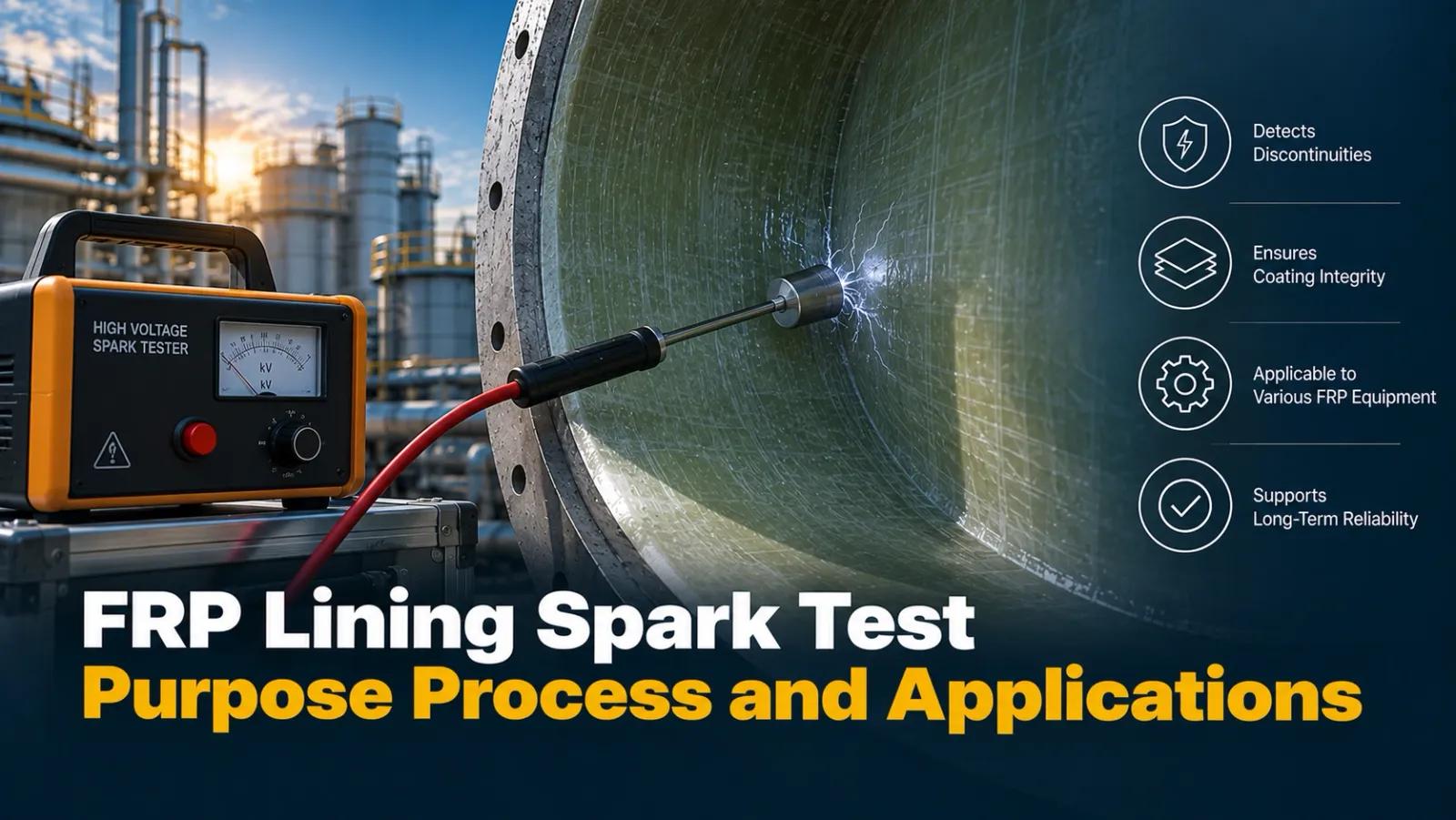
Learn how FRP lining spark tests detect pinholes and defects, including the testing process, applications, safety factors, and inspection considerations.
Read More →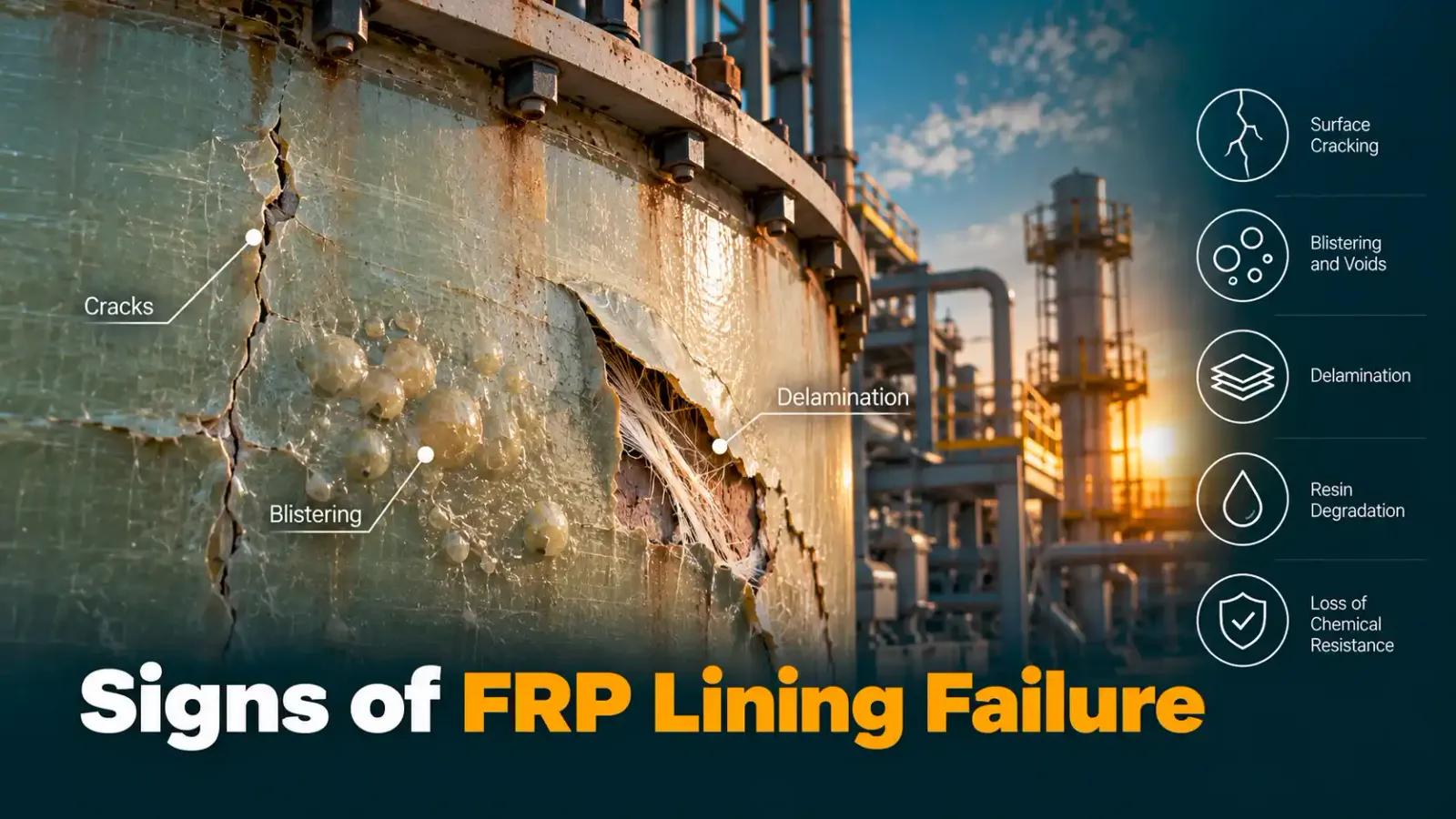
13 Oct 2026
Discover 7 signs of FRP lining failure, including cracks, blistering, delamination, and corrosion. Learn common causes and inspection tips.
Read More →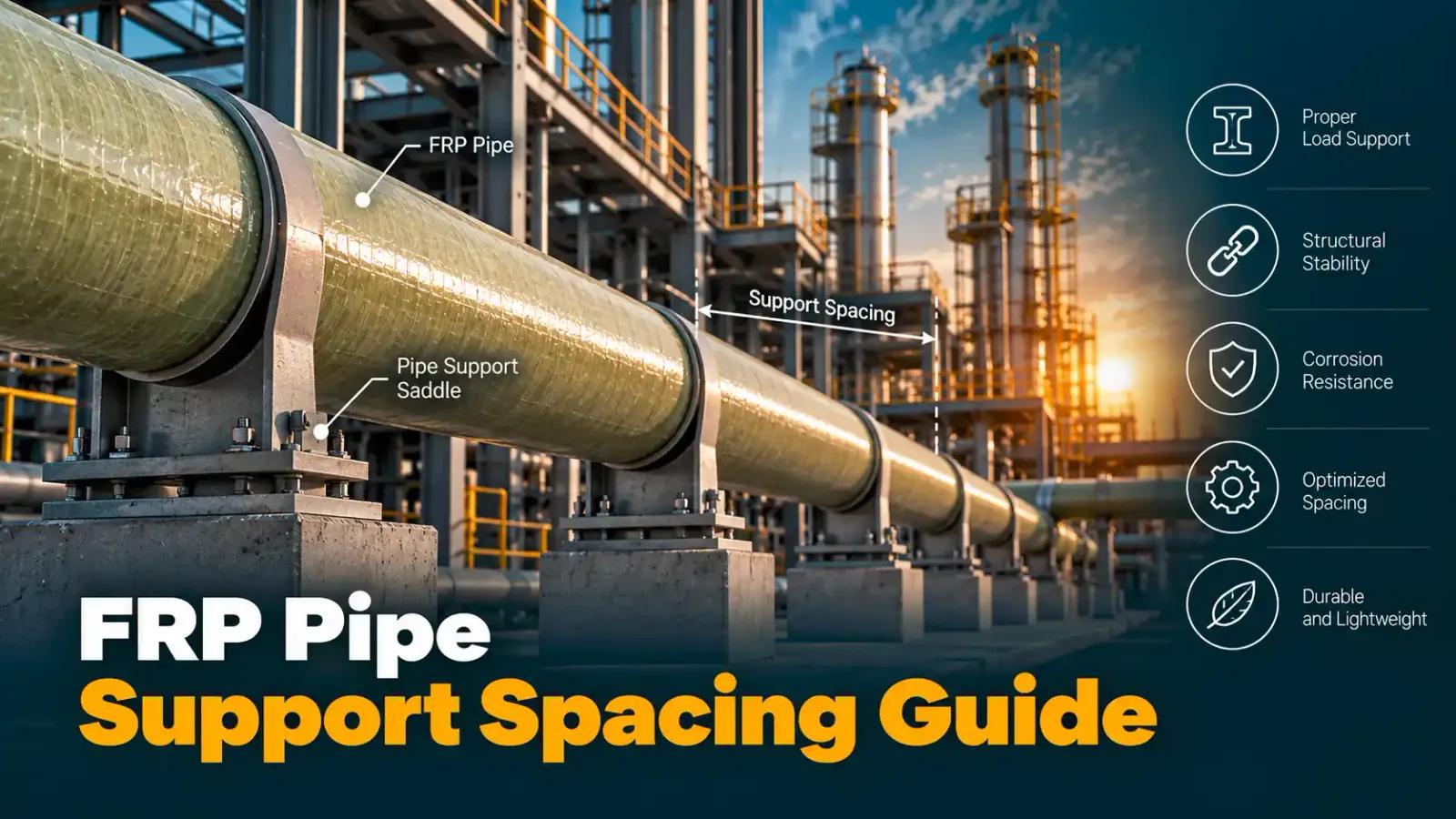
13 Oct 2026
Learn about FRP pipe support spacing, recommended distances, key design factors, installation practices, and how to prevent pipe sagging.
Read More →