FRP lining spark test is an electrical inspection method used to identify discontinuities such as pinholes, holidays, cracks, or other defects that may not be visible during a conventional visual inspection.
Fiber Reinforced Plastic (FRP) lining is commonly applied to protect substrates and equipment exposed to moisture, chemicals, wastewater, and other aggressive environments. Because the performance of a lining depends partly on its continuity, detecting small defects before equipment enters service can be an important part of quality control.
The testing method, voltage, and acceptance criteria should be selected according to the lining system, substrate, thickness, service conditions, and applicable inspection procedure. ASTM D5162-24, for example, describes electrical detection of discontinuities in nonconductive coatings or linings on conductive substrates and distinguishes between low-voltage wet sponge testing and high-voltage spark testing.
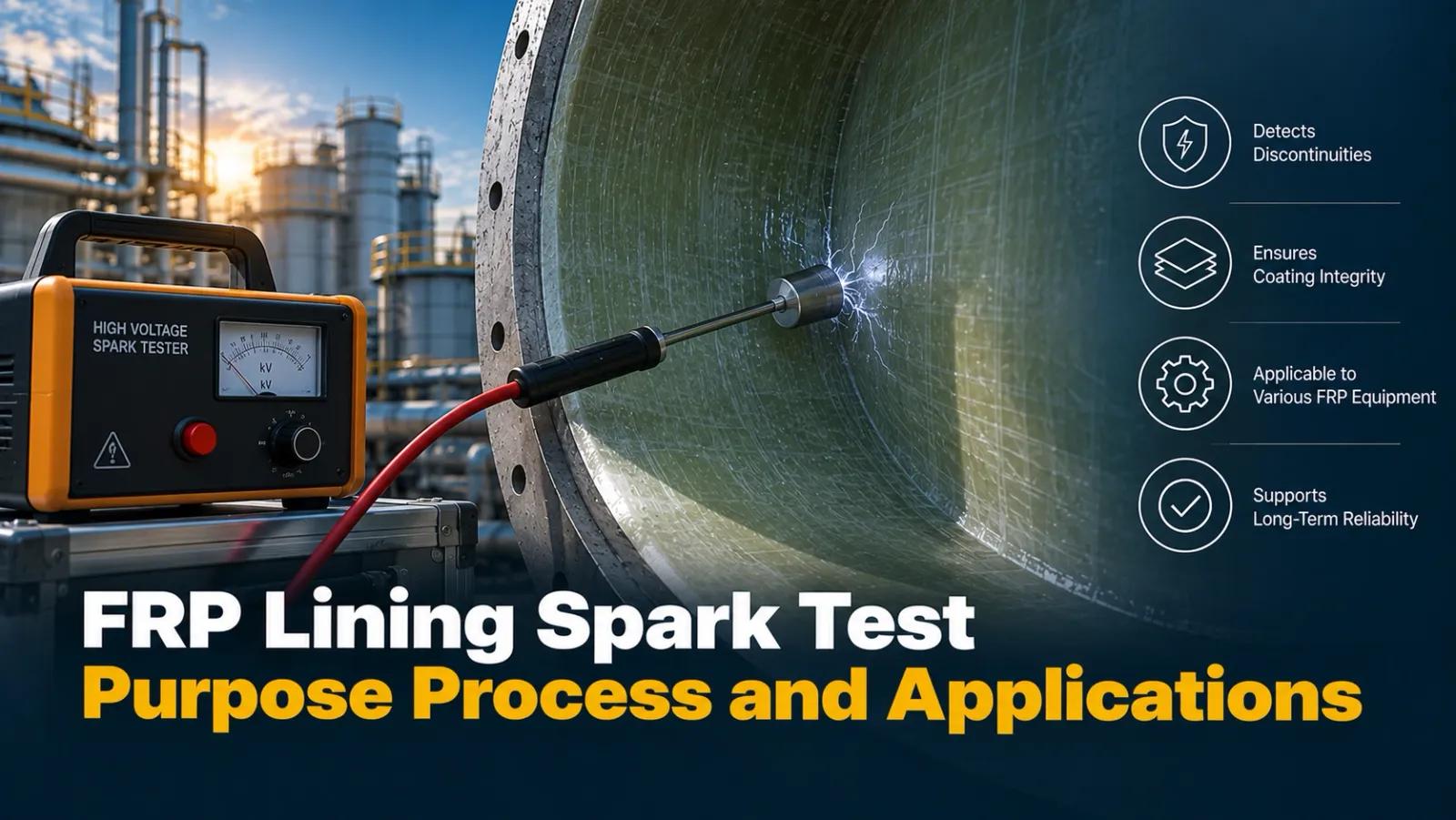
An FRP lining spark test is a form of holiday detection used to locate discontinuities in a nonconductive FRP lining. During the inspection, a testing electrode is moved across the lining surface while the equipment applies a controlled electrical potential. When a discontinuity provides an electrical path toward the conductive substrate or underlayment, the tester can produce a spark or an audible/visual indication.
These indications can help inspectors identify areas requiring further examination or repair. It is important to understand that a spark test is not simply a test of whether the FRP material is present. It is primarily a continuity inspection intended to identify defects that could compromise the protective lining system.
A lining can appear visually intact while still containing very small discontinuities. Pinholes, voids, cracks, or areas of insufficient continuity may be difficult to identify through visual inspection alone. An FRP holiday test can provide an additional inspection method to detect these defects before the lined equipment is placed into service.
The importance of the inspection becomes more apparent when the lining is intended to protect a substrate from:
For applications where a small defect could expose the underlying substrate to the service environment, continuity verification can form part of the overall FRP lining quality control process.
The exact procedure depends on the lining system and applicable specification. A typical high-level inspection process includes several stages.
The lining should reach the required cure condition before electrical testing begins. Testing too early can produce unreliable results and may potentially damage an inadequately cured lining. ASTM D5162-24 specifically notes that the coating or lining manufacturer should be consulted regarding the required drying or curing time before testing.
The surface should be reasonably clean and free from conditions that could interfere with inspection. Moisture, contamination, conductive deposits, or other surface conditions can affect electrical readings. This is particularly important because contamination can potentially create unwanted conductive paths and produce misleading indications.
For thicker nonconductive linings, a high voltage spark tester may be used. ASTM D5162-24 generally identifies low-voltage wet sponge testing for coatings or linings up to approximately 0.5 mm (20 mils), while high-voltage spark testing is generally used above this thickness. However, the test method should not be selected from thickness alone. The lining manufacturer's recommendations, dielectric properties, substrate configuration, and project specification should also be considered.
The electrode is moved systematically across the surface of the FRP lining. Areas that produce an indication are marked for further inspection. The inspection should cover the required surface area rather than relying only on spot checks.
Detected discontinuities can then be evaluated according to the project's acceptance criteria. If repair is required, the affected area can be prepared and repaired according to the approved FRP lining procedure. After repair and sufficient curing, the repaired area may require another inspection.
The purpose of holiday detection is to identify discontinuities that may create a path through an otherwise nonconductive lining.
Depending on the lining system and test method, inspection may help identify:
ASTM D4787-24, which addresses nonconductive linings on concrete substrates, specifically includes pinholes, internal voids, holidays, cracks, and conductive inclusions among discontinuities that can be detected.
The need for an FRP spark test depends on the project specification and service conditions. The method can be relevant to lined equipment and structures where lining continuity is important, such as:
For example, an FRP Lining system used in a chemically aggressive environment may require continuity verification before being placed into service. Similarly, FRP-lined tanks and piping systems can require inspection based on their intended service, lining specification, and project requirements.
An FRP lining spark test should be planned carefully because an inappropriate testing voltage or procedure can produce unreliable results or potentially damage the lining.
Key considerations include:
ASTM D5162-24 notes that total film thickness and dielectric strength should be considered when determining an appropriate high-voltage test setting. It also warns that high-voltage testing can damage thinner coatings if the voltage is not selected appropriately. For concrete substrates, ASTM D4787-24 provides a separate practice covering continuity verification of nonconductive linings and coatings, including high-voltage spark testing.
Because high-voltage equipment is involved, spark testing should be performed by qualified personnel following the applicable inspection and safety procedures. The test area should be controlled appropriately, and personnel should follow the tester manufacturer's instructions as well as project-specific safety requirements.
Another important consideration is the condition of the lining. ASTM D5162-24 cautions that previously immersed or exposed linings can absorb moisture or contain surface deposits that may lead to erroneous indications or potentially damage when high-voltage testing is used. Therefore, an FRP spark test should not be treated as a one-size-fits-all procedure.
The inspection requirements for an FRP lining depend on where the lining will be installed and what environment it will encounter. Factors such as chemical exposure, operating temperature, substrate condition, lining thickness, and service requirements should be considered during specification.
GAJAINDO provides FRP Lining solutions as part of its industrial FRP product range. For applications involving tanks, piping, or other equipment, the appropriate lining system and inspection requirements should be discussed according to the project conditions.
If you are planning an FRP lining project and need to discuss material selection, lining requirements, or inspection considerations, contact GAJAINDO to discuss your application and project requirements.
An FRP lining spark test is an electrical inspection method used to detect discontinuities such as pinholes, holidays, cracks, and other defects in a nonconductive lining.
An FRP holiday test is used to identify discontinuities that may compromise the continuity of the protective lining before the equipment or structure enters service.
The appropriate voltage depends on factors such as lining thickness, dielectric properties, substrate, and manufacturer or project requirements. It should not be selected arbitrarily because excessive voltage can damage the lining.
Yes. Detecting pinholes and other small discontinuities is one of the purposes of electrical holiday detection. The appropriate test method depends on the lining and substrate configuration.
Testing is generally performed after the lining has reached the required cure condition and before service, when the project specification calls for continuity verification. The required curing time and inspection procedure should follow the lining manufacturer's and project's requirements.
3 Oct 2026
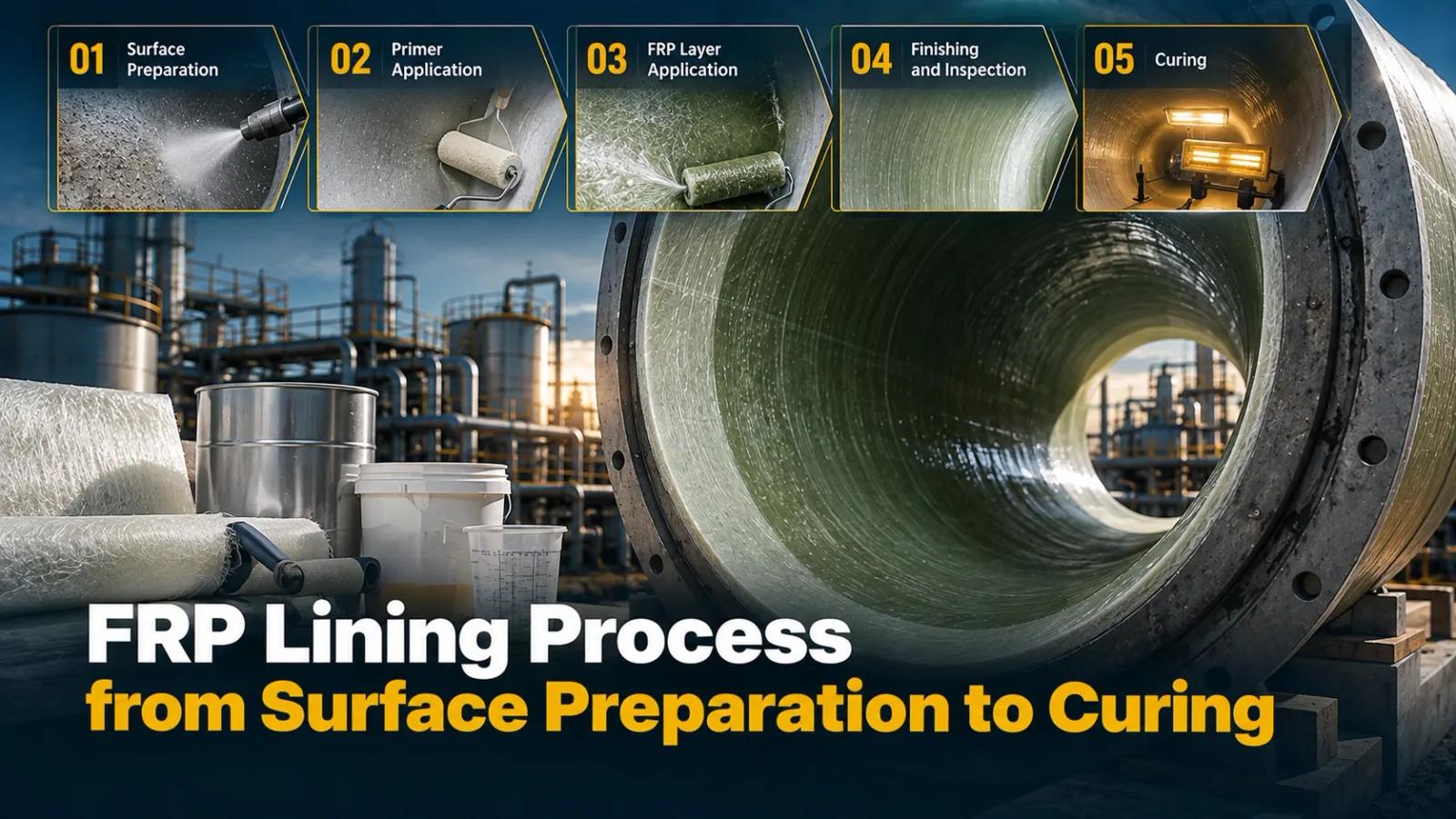
Learn the FRP lining process from surface preparation and resin application to curing, inspection, and key installation considerations.
Read More →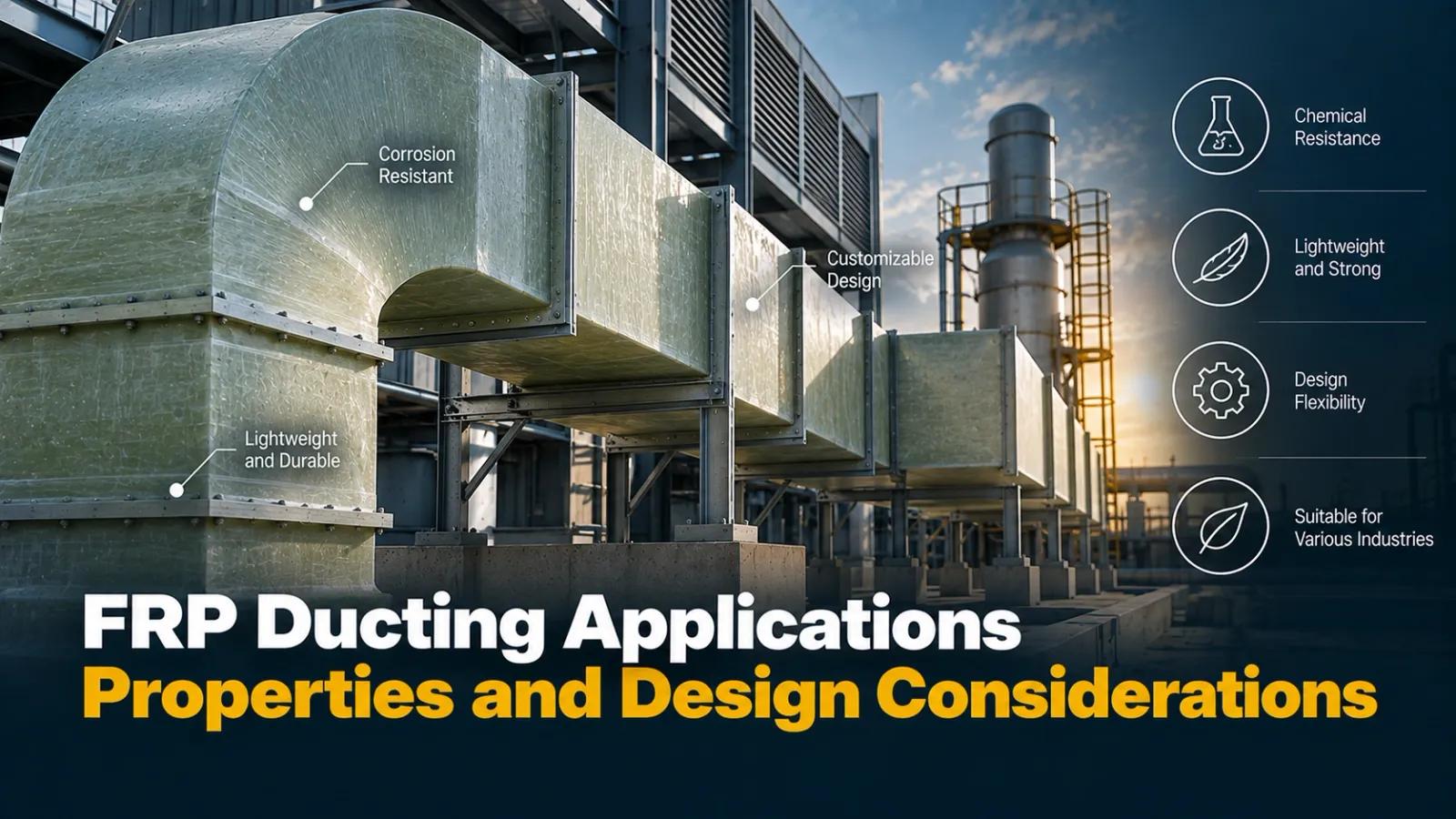
3 Oct 2026
Learn about FRP ducting applications, properties, material selection, and key design considerations for corrosive industrial environments.
Read More →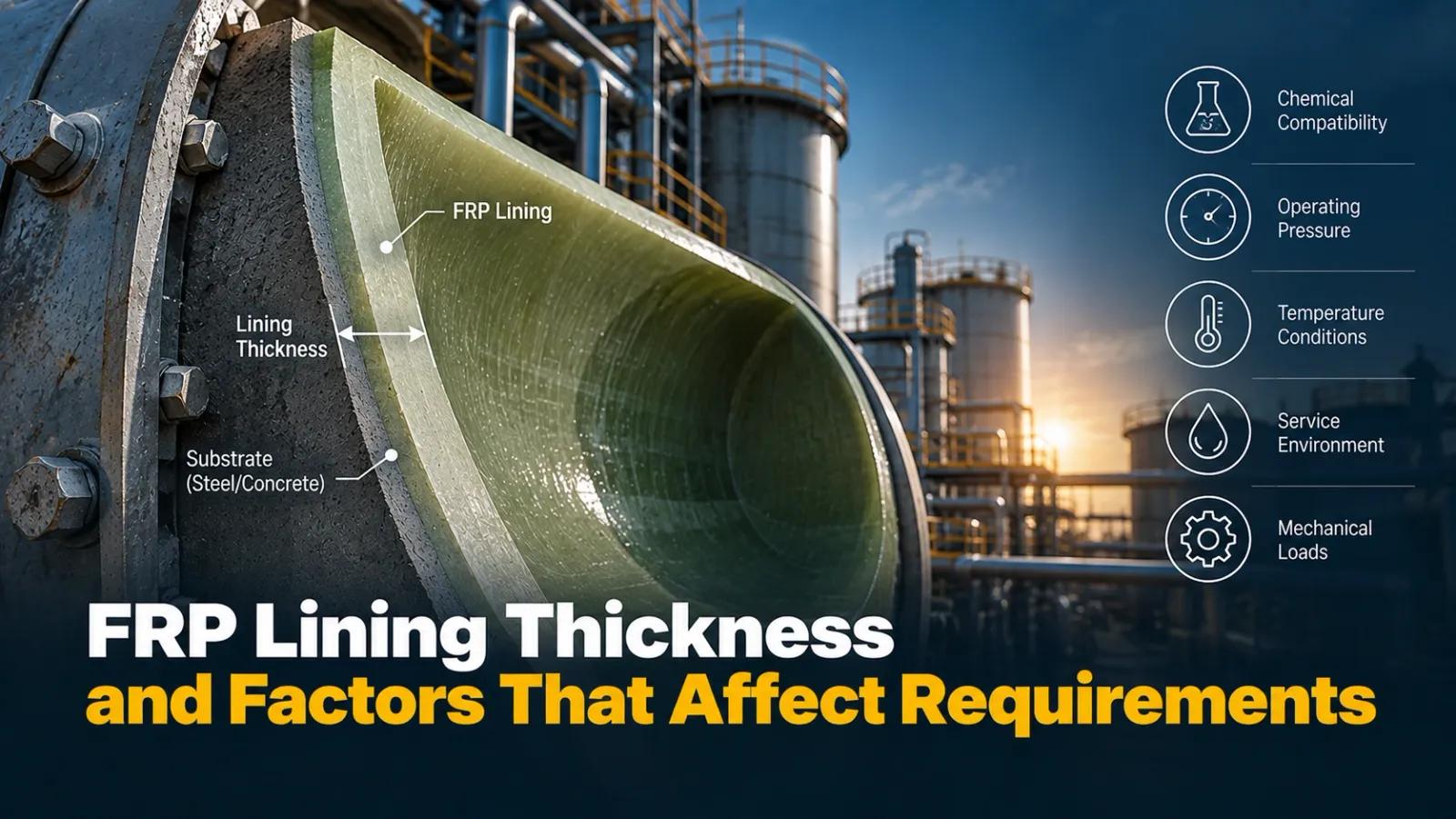
3 Oct 2026
Learn how to determine FRP lining thickness based on chemical exposure, temperature, substrate condition, service life, and application requirements.
Read More →