FRP grating vs steel grating is an important comparison when selecting flooring for industrial platforms, walkways, trench covers, and maintenance areas. Steel provides high stiffness and mechanical strength, while FRP offers corrosion resistance, lower weight, and reduced dependence on protective coatings.
Neither material is better for every project. The right choice depends on the expected load, support span, chemical exposure, temperature, installation method, safety requirements, and total cost throughout the grating’s service life.
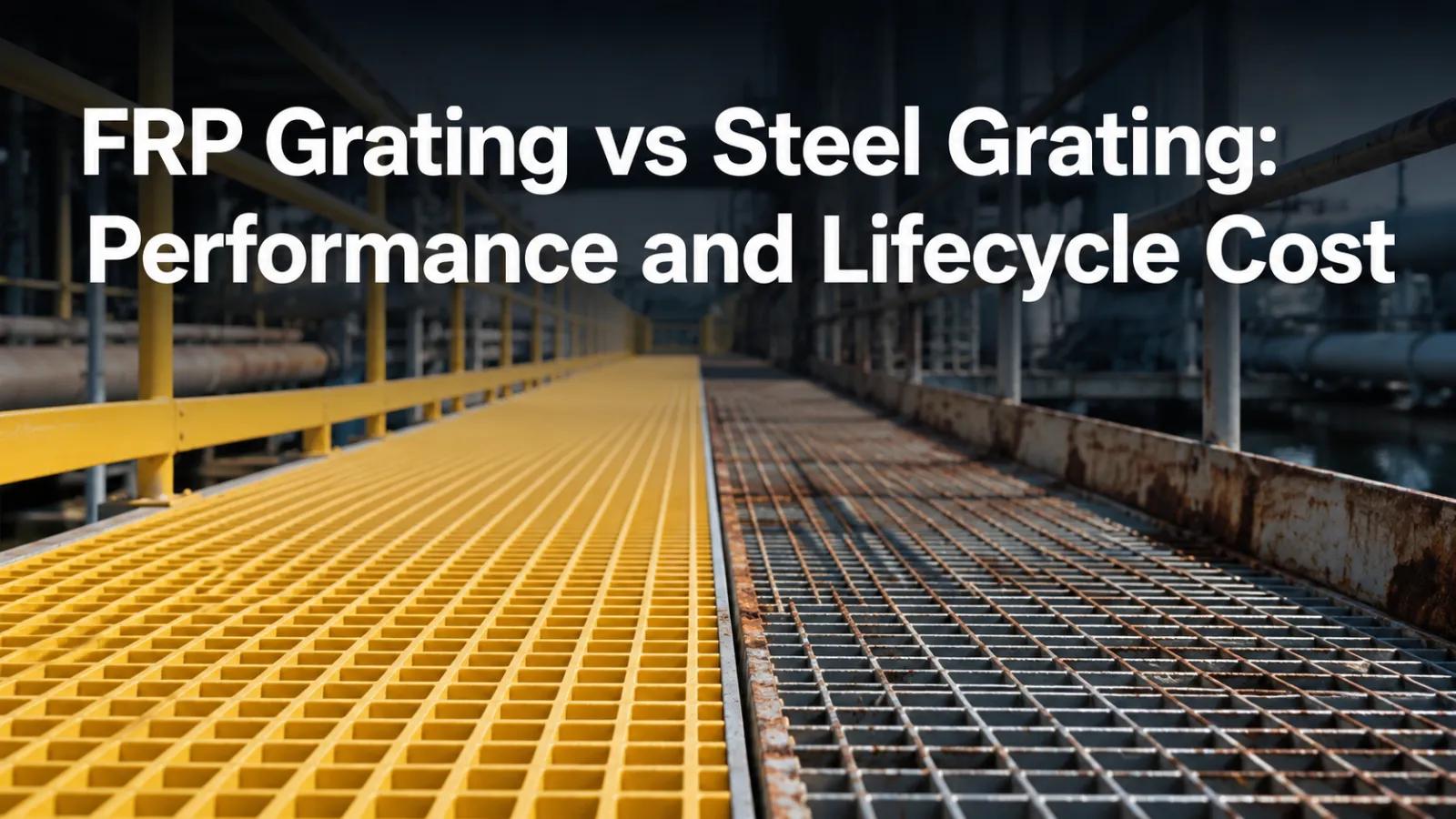
The following table provides a general comparison. Final performance still depends on the exact product, panel depth, support arrangement, coating, resin system, and installation conditions.
| Comparison factor | FRP grating | Steel grating |
|---|---|---|
Corrosion resistance | Does not rust; resin must match the chemical environment | Carbon steel normally requires galvanizing, coating, or painting |
Weight | Relatively lightweight | Heavier and may require more lifting equipment |
Stiffness | Lower stiffness; deflection must be checked carefully | Generally higher stiffness |
Load capacity | Depends on thickness, mesh, span, and product configuration | Suitable for demanding loads when correctly specified |
Electrical conductivity | Non metallic and electrically insulating | Conductive |
Slip resistance | Available with concave or grit surfaces | Serrated surfaces may be specified |
Cutting and handling | Easier to cut and handle on many sites | Cutting may require heavier tools and hot work controls |
Corrosion maintenance | Usually limited | Coatings and exposed metal may require recurring maintenance |
High temperature exposure | Limited by the selected resin system | Generally more suitable for elevated temperatures |
Fire performance | Flame retardant resin may be required | Non combustible, although strength decreases at high temperature |
At GAJA Fiberglass, we manufacture Dura Gritz® FRP Grating through a moulding process using thermosetting resin and high strength roving yarn. Our product is designed for industrial flooring that requires corrosion resistance, slip resistance, insulation properties, and easier handling.
FRP and steel grating perform differently under load and environmental exposure. Steel is generally stiffer and more suitable for heavy loads, long spans, and high temperature areas. FRP is lighter, corrosion resistant, electrically non conductive, and easier to handle in wet or chemically aggressive environments.
| Performance factor | FRP grating | Steel grating |
|---|---|---|
Corrosion | Does not rust, but resin compatibility must be checked | Requires coating, galvanizing, or corrosion resistant alloy |
Strength and stiffness | Suitable for industrial loads when span and thickness are correct | Generally stiffer and better for heavy loads |
Weight | Lightweight and easier to install | Heavier and may require lifting equipment |
Slip resistance | Available with concave or grit surfaces | Available with serrated bearing bars |
Electrical properties | Non conductive | Conductive |
Temperature | Limited by resin performance | Better for elevated temperatures |
Maintenance | Low corrosion related maintenance | May require coating repair and rust treatment |
The final selection should be based on the expected load, clear support span, allowable deflection, chemical exposure, temperature, and fire requirements. FRP should not replace steel directly without reviewing the complete grating and supporting structure.
Lifecycle cost includes the purchase price, transportation, installation, inspection, maintenance, downtime, repairs, and replacement. FRP may cost more initially in some projects, but its lightweight construction and corrosion resistance can reduce installation and long term maintenance costs.
| Cost factor | FRP grating | Steel grating |
|---|---|---|
Initial cost | May be higher depending on specification | Often competitive for standard products |
Transportation | Lower weight may reduce handling costs | Heavier and may require lifting equipment |
Installation | Easier to cut and position on site | May require welding, hot work, or heavier tools |
Corrosion protection | Usually does not require anti rust coating | May require galvanizing, painting, or coating |
Routine maintenance | Mainly inspection of panels, clips, and cut edges | May include rust removal and coating repairs |
Operational downtime | Typically lower in corrosive environments | Maintenance may require temporary area closure |
Replacement cost | Can provide longer value in wet or chemical areas | May be economical in dry, non corrosive areas |
FRP grating may offer a lower lifecycle cost in chemical plants, wastewater facilities, coastal locations, and continuously wet areas. Steel grating may remain more economical where corrosion is limited, high stiffness is required, and the facility already has established steel maintenance procedures.
Choose FRP grating when:
Choose steel grating when:
At GAJA Fiberglass, we do not treat the stated loading capacity as a universal value for every installation. Before confirming Dura Gritz®, our team reviews the expected load, clear support span, panel dimensions, cutting plan, chemical environment, surface requirements, and supporting structure.
We can prepare the grating layout for platform decking, chemical processing areas, trench covers, pavement, and construction applications. Dura Gritz® is available with characteristics including corrosion resistance, anti slip performance, lightweight construction, easy cutting, and loading capacity of up to 750 kg, subject to the selected configuration and installation design.
Indonesia Head Office
Email: marketing@gajafiberglass.com
Phone: +62 (21) 4585-3491
WhatsApp: +62 811-186-7919
Australia Representative
Contact Person: Mr. Victor Bhave
Email: victor.bhave@gajafiberglass.com
Phone: +61 41-424-0017
Steel is generally stiffer, but FRP can support industrial loads when the thickness, span, and framing are correctly specified.
No anti rust painting is normally required. Cut edges and damaged surfaces should still be sealed according to the manufacturer’s instructions.
FRP is often more practical because it resists corrosion, provided the resin is compatible with the chemicals.
No. Its initial price may be higher, but lower installation and corrosion maintenance costs can improve lifecycle value.
Not automatically. The load, span, deflection, supports, fire requirements, and operating environment must be reviewed first.
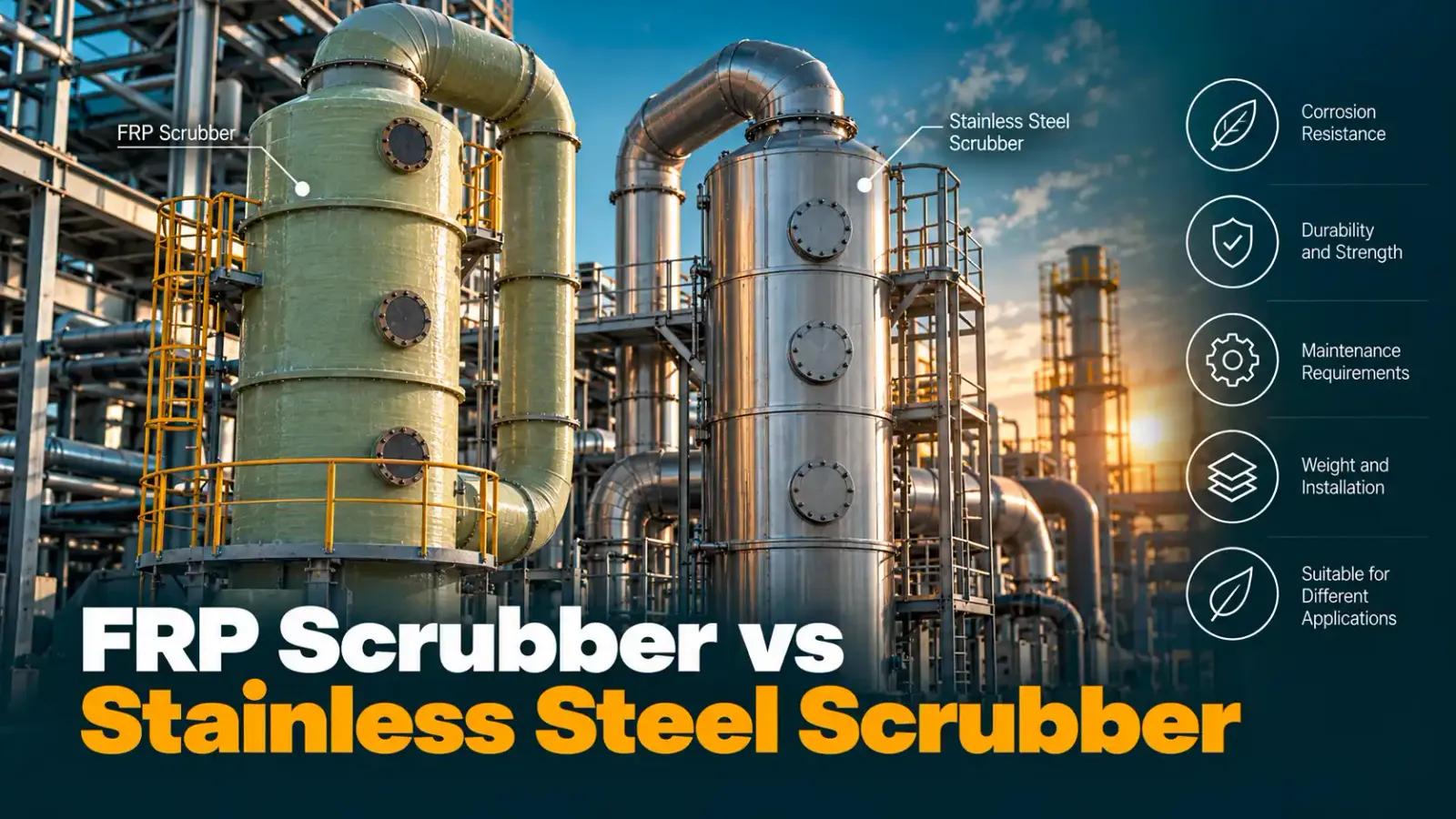
13 Oct 2026
Compare FRP scrubber vs stainless steel scrubber in corrosion resistance, temperature, durability, installation, and cost for industrial applications.
Read More →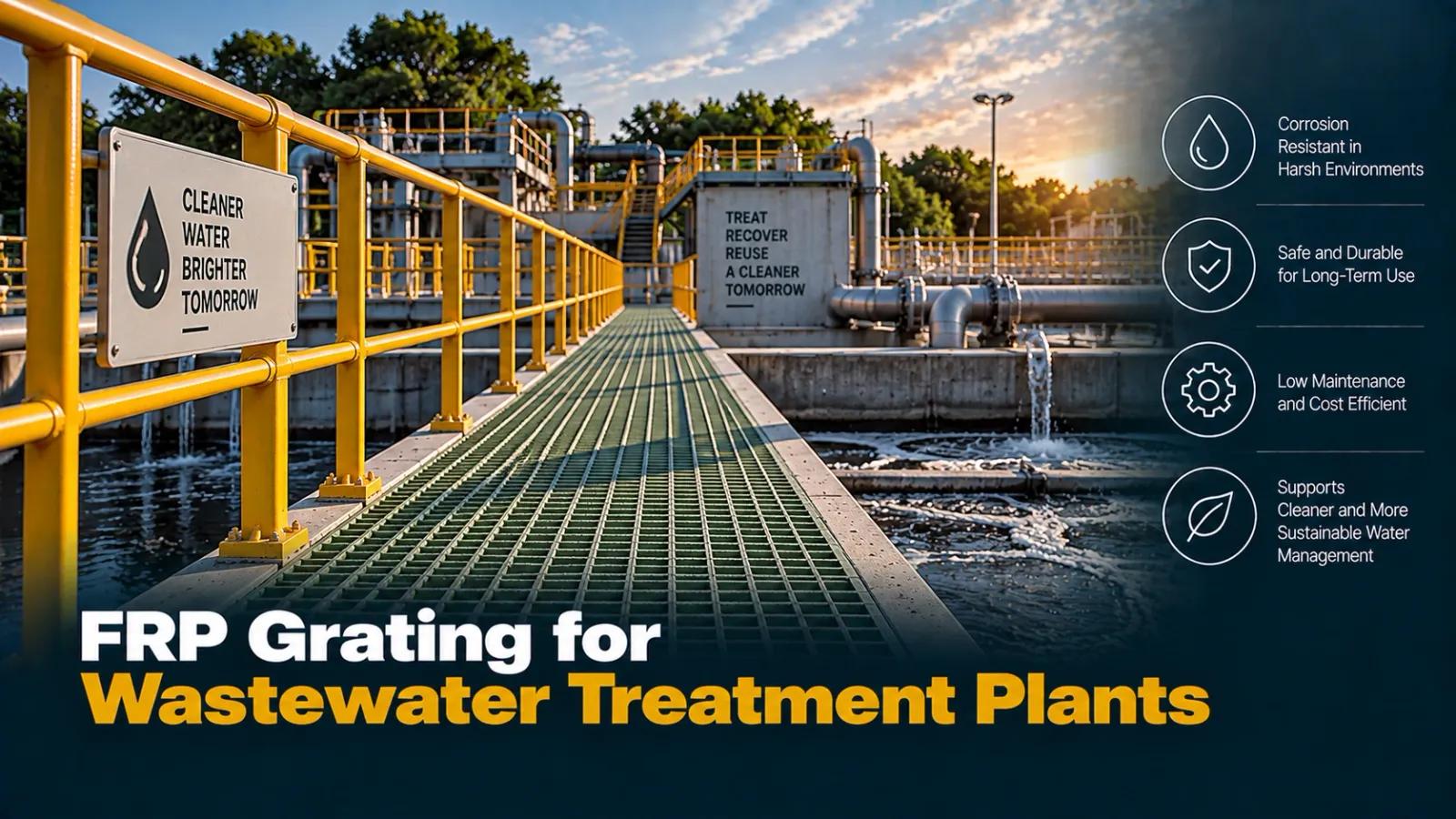
30 Sept 2026
Learn how FRP grating is used in wastewater treatment plants, including walkways, platforms, corrosion resistance, load capacity, resin selection, and key specification factors.
Read More →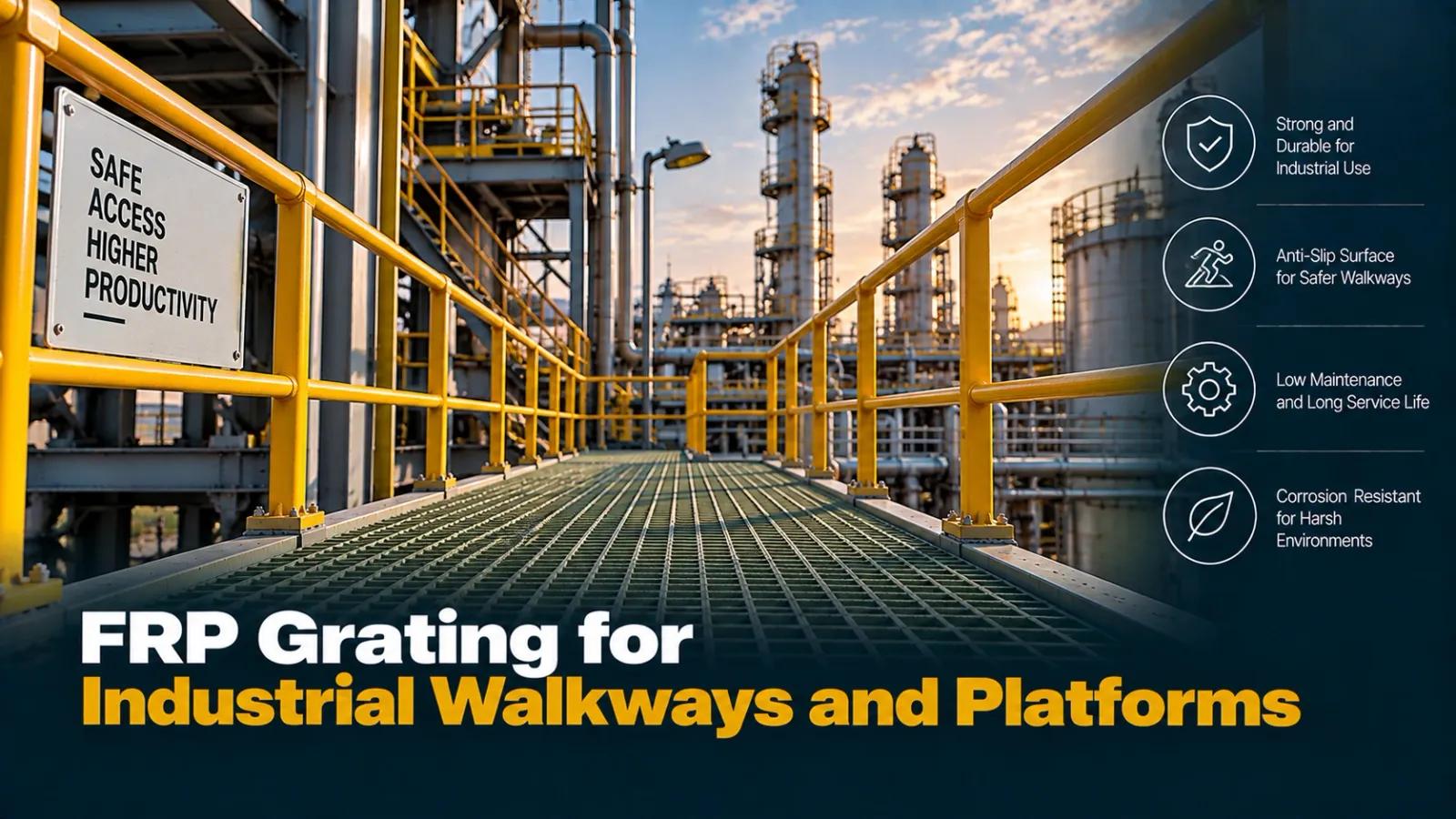
30 Sept 2026
Learn how to select FRP grating for industrial walkways and platforms, including load capacity, support span, corrosion resistance, slip resistance, resin, and key design factors.
Read More →