Industrial facilities generate air pollutants through manufacturing, chemical processing, combustion, and other production activities. These emissions may contain harmful gases, chemical vapors, liquid droplets, and particulate matter that need to be controlled before exhaust air is released into the atmosphere.
An industrial air scrubber is an air pollution control device designed to remove contaminants from industrial exhaust streams. Depending on the system configuration, scrubbers use liquids, chemical reagents, or dry sorbent materials to capture or neutralize pollutants.
Understanding the industrial scrubber working principle is important when selecting the appropriate equipment for a facility. Different scrubber designs target different pollutants, operating conditions, and removal requirements. This article explains how industrial scrubbers work, explores five common types, and discusses their industrial applications.
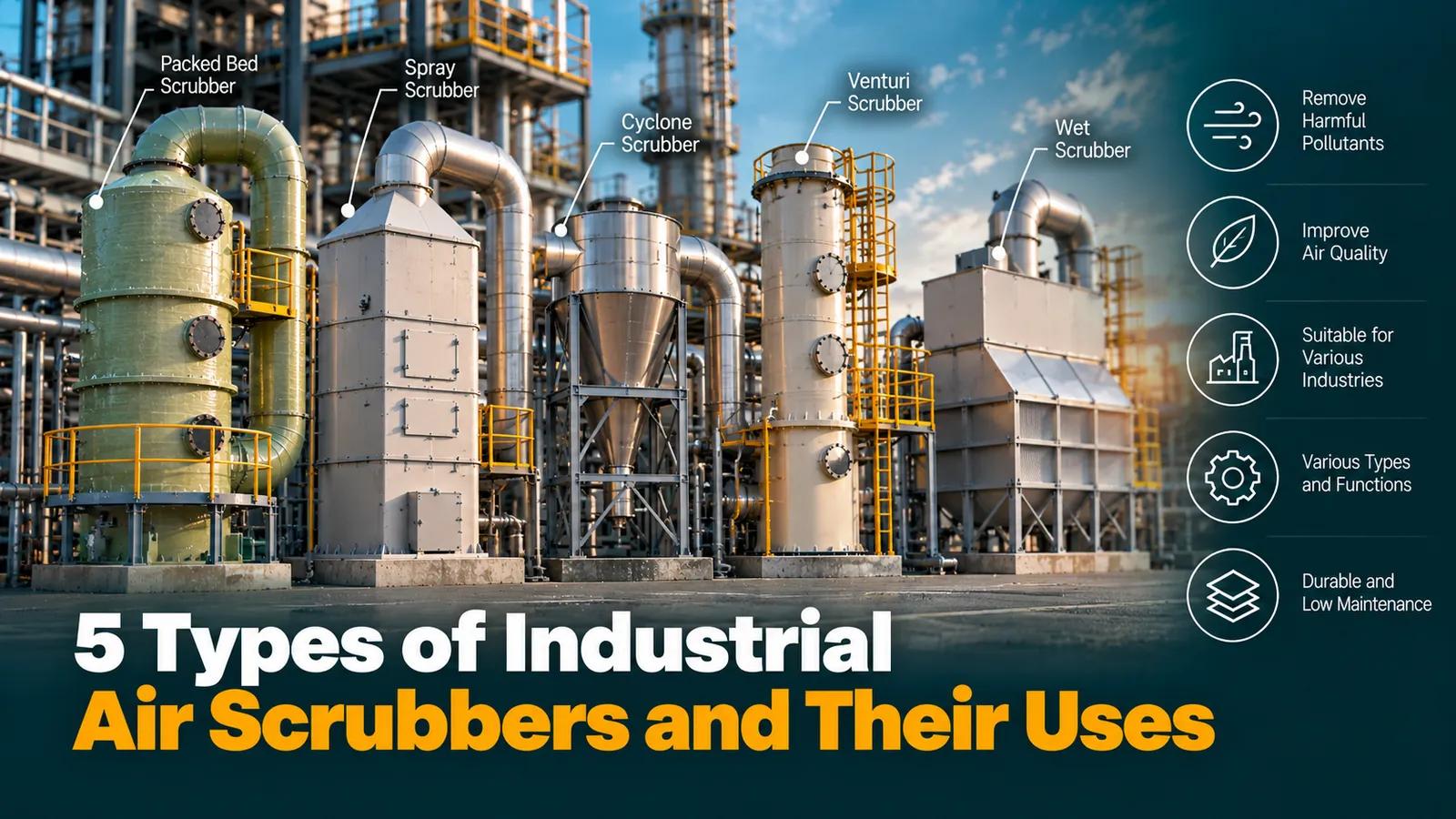
The industrial scrubber working principle involves bringing contaminated gas into contact with a treatment medium that captures, absorbs, or reacts with pollutants. The specific process depends on whether the equipment uses wet or dry scrubbing technology.
In a typical wet scrubber system, the process generally follows these stages:
According to the U.S. Environmental Protection Agency (EPA), wet scrubbers can remove pollutants through absorption, chemical reactions, and particle collection mechanisms. The actual removal process depends on the pollutant characteristics and scrubber configuration.
Industrial scrubbers come in different configurations depending on the type of contaminant, gas flow rate, and required removal efficiency. The following are five commonly used types.
Wet scrubbers use liquid, commonly water or a chemical solution, to capture pollutants from contaminated gas streams. The gas comes into direct contact with the liquid, allowing soluble gases to dissolve or react with the scrubbing medium.
For example, an alkaline solution may be used to neutralize acidic gases such as hydrogen chloride (HCl) and sulfur dioxide (SO₂). Wet scrubbers can also collect particulate matter through interactions between particles and liquid droplets.
Common applications include:
Wet scrubbers are particularly useful when industrial exhaust contains water-soluble gases or certain particulate contaminants. However, the resulting wastewater must be managed appropriately.
Dry scrubbers remove gaseous pollutants by introducing a dry sorbent or reactive material into the exhaust stream. Unlike wet scrubbers, this process does not rely on circulating scrubbing liquid through a packed chamber.
Common sorbent materials include hydrated lime, sodium bicarbonate, and other chemicals selected according to the target pollutant. These materials react with acidic gases and form solid reaction products that can subsequently be collected using particulate control equipment.
Common applications include:
Dry scrubbers can reduce wastewater handling requirements compared with wet systems. However, their performance depends on sorbent selection, reaction conditions, and the effectiveness of downstream dust collection.
Packed bed scrubbers are a type of wet scrubber that uses specially designed packing materials to increase the contact area between gas and liquid. The contaminated gas typically enters from the bottom of the tower and moves upward through the packing. Meanwhile, the scrubbing liquid is distributed from the top and flows downward over the packing surface.
This counter-current arrangement provides contact between the two streams, allowing soluble pollutants to transfer from the gas into the liquid. Chemical reagents can also be added when neutralization is required.
Common applications include:
Packed bed scrubbers are commonly selected for gas absorption applications. However, packing materials can become clogged or fouled when the incoming gas contains excessive solids or unsuitable contaminants.
Venturi scrubbers use high gas velocity to create intense contact between contaminated gas and liquid droplets. The gas passes through a narrowing section called the venturi throat, where its velocity increases. Scrubbing liquid is introduced into the gas stream and atomized into small droplets. As the gas and droplets interact, particulate matter collides with the droplets and becomes captured.
The resulting liquid droplets are then separated from the cleaned gas using a downstream separator or mist collection device.
Common applications include:
Venturi scrubbers are particularly useful for capturing fine particulate matter. However, the high pressure drop can increase energy consumption, making operating costs an important consideration.
Spray tower scrubbers use spray nozzles to distribute scrubbing liquid throughout an open chamber. Contaminated gas passes through the chamber and comes into contact with falling liquid droplets. During this contact, soluble gases can be absorbed into the liquid, while certain particles are captured through interaction with the droplets.
Compared with packed bed scrubbers, spray towers have a relatively simple internal configuration because they do not require packing materials.
Common applications include:
Spray tower scrubbers are generally easier to maintain because of their simpler construction. However, their removal performance depends on droplet size, liquid distribution, gas velocity, and contact time.
Selecting an industrial air scrubber requires evaluating more than the equipment type. Several operating parameters influence pollutant removal performance and long-term reliability.
Important considerations include:
Monitoring operating parameters such as liquid flow rate, pressure differential, and liquid outlet concentration can help identify performance problems. The EPA identifies these as important indicators for evaluating wet scrubber operation.
Material selection is another important consideration because scrubbers may operate in environments containing corrosive gases, chemical solutions, and moisture. Conventional metallic equipment can experience corrosion when exposed to aggressive chemicals. Therefore, corrosion-resistant non-metallic materials may be considered depending on the operating conditions.
Fiber Reinforced Plastic (FRP), polypropylene (PP), polyvinyl chloride (PVC), and polyvinylidene fluoride (PVDF) are among the materials used in industrial scrubber construction. For example, GAJA manufactures Air Pollutant Systems using corrosion-resistant materials such as FRP, PP, PVC, and PVDF.
The appropriate material should be selected according to the chemical composition, concentration, operating temperature, mechanical requirements, and expected service conditions. Not every material is suitable for every chemical environment.
Choosing an industrial scrubber manufacturer requires considering engineering capabilities, material selection, and the ability to accommodate specific process requirements.
GAJA (PT. Graha Adhi Jaya Abadi) provides industrial air pollution control solutions through its scrubber systems. Its wet scrubbers are designed to remove corrosive gases and other pollutants from industrial exhaust streams.
The systems use a wet scrubbing process involving gas inlet, contact and absorption through packing media, mist separation, and treated gas discharge. Depending on the application, the equipment can be customized according to pollutant characteristics, gas volume, and operating conditions. GAJA also provides design planning, manufacturing, customization, installation, and technical support for industrial scrubber projects.
Selecting the right industrial scrubber involves understanding the pollutants, exhaust flow rate, chemical exposure, and required treatment performance. The equipment configuration and construction materials should be evaluated together to ensure the system matches the actual operating environment.
If your facility requires an industrial air pollution control solution, you can contact GAJA to discuss your project requirements. The GAJA team can help evaluate your application, including pollutant characteristics, airflow capacity, material requirements, installation conditions, and customized scrubber specifications.
An industrial scrubber works by bringing contaminated gas into contact with a treatment medium, such as liquid or dry sorbent. Pollutants are captured, absorbed, or chemically neutralized before the treated gas is discharged.
Common types include wet scrubbers, dry scrubbers, packed bed scrubbers, venturi scrubbers, and spray tower scrubbers. Each type has different operating mechanisms and applications.
Depending on their design, industrial scrubbers can remove acidic gases, alkaline gases, sulfur dioxide, hydrogen chloride, hydrogen sulfide, certain VOCs, and particulate matter.
Wet scrubbers use liquids to absorb, neutralize, or capture pollutants, while dry scrubbers use dry sorbent materials to react with gaseous contaminants. Wet systems generate wastewater, whereas dry systems produce solid reaction products.
FRP is used because it can provide corrosion resistance, relatively low weight, and structural strength. Its suitability depends on the resin system, chemical exposure, temperature, and mechanical requirements of the application.
18 Nov 2026
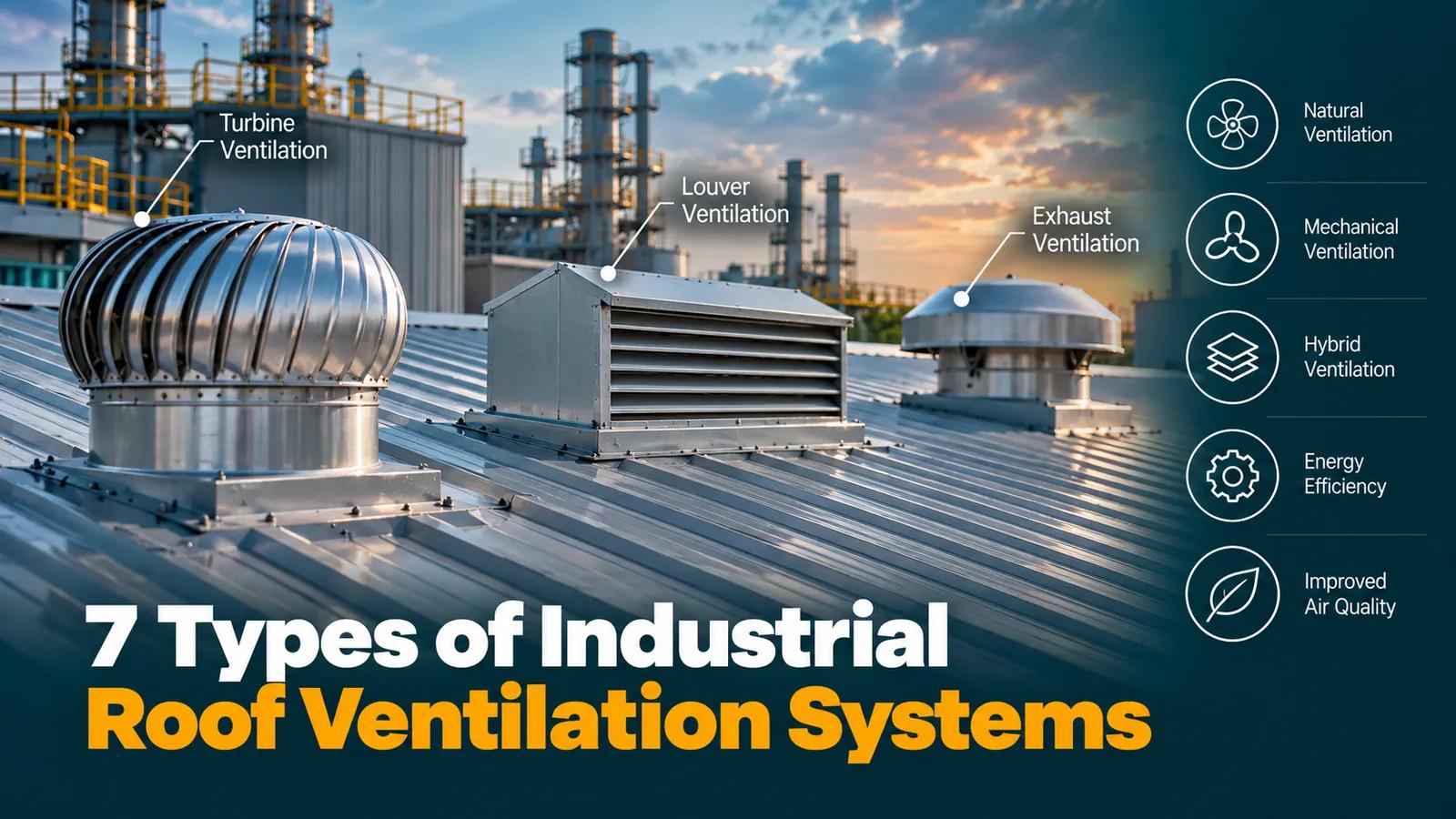
Explore 7 industrial roof ventilation systems, how they work, and what to consider when improving airflow, heat control, and indoor air quality.
Read More →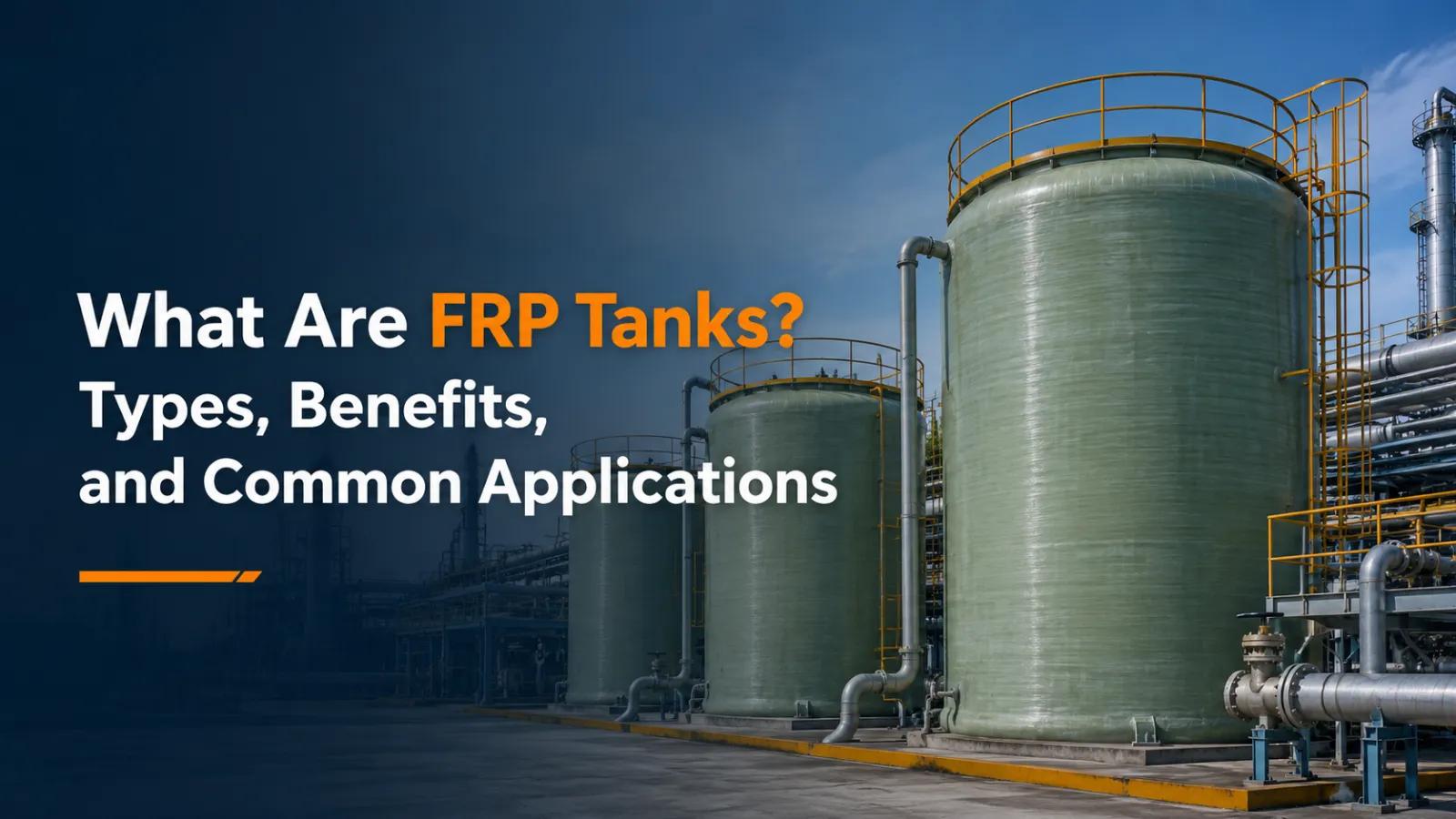
10 Aug 2026
Learn what FRP tanks are, their common types, benefits, industrial applications, selction factors, and maintenance requirements.
Read More →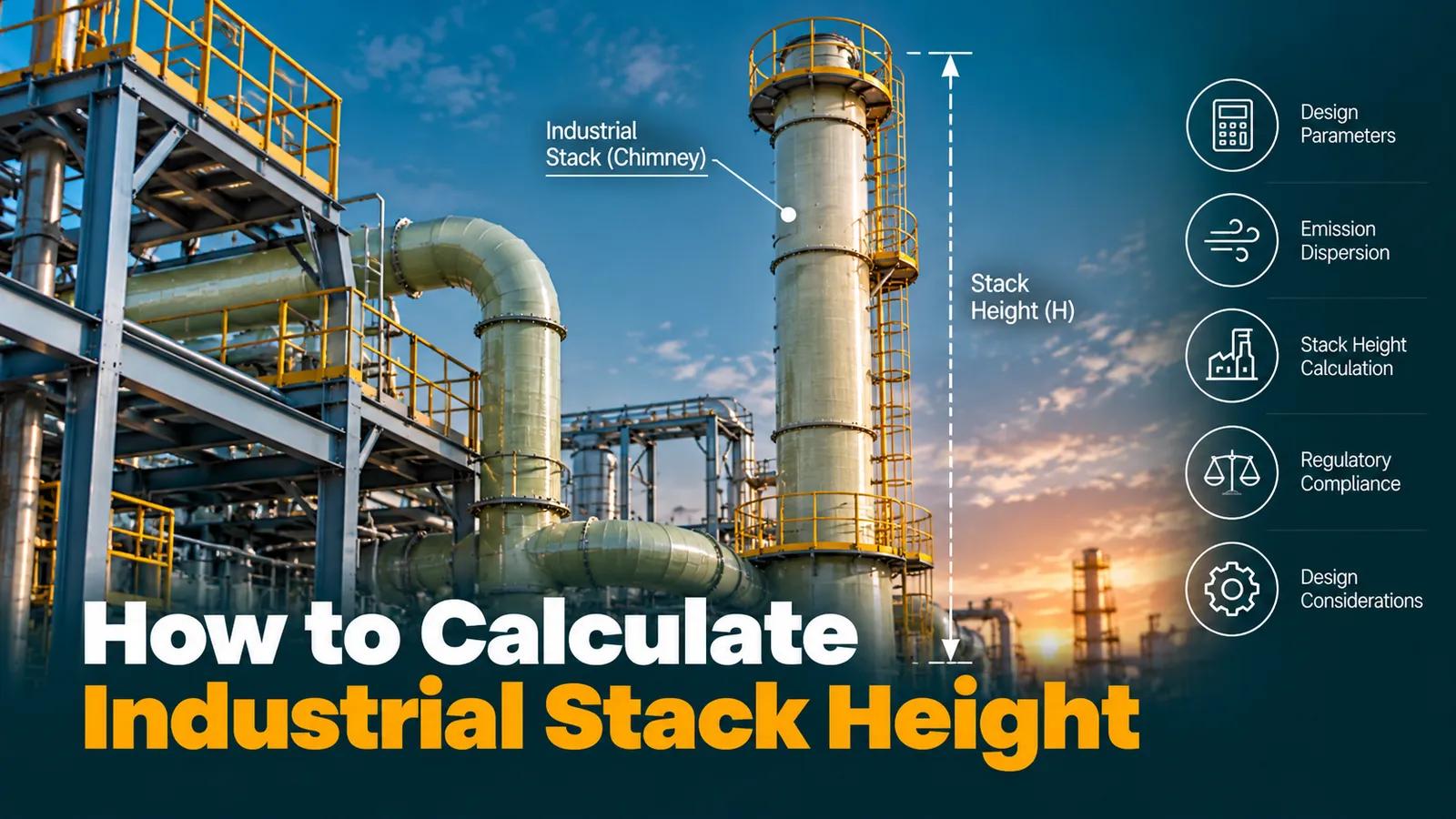
18 Nov 2026
Learn how to calculate industrial stack height, including key factors, emission requirements, dispersion considerations, and design parameters.
Read More →